What Is the Best Pickleball Paddle Weight for Beginners?

There is no single best weight, and the rules set no limits. Read ounces not labels, narrow by your own physical history, and decide with a fixed on-court test of dinks, drops, and drives.

Singles rarely happens by accident at doubles-based open play; it happens by arrangement. Find one opponent, book off-peak, learn skinny singles, and pitch the ask so it costs the session nothing.

There is no single best weight, and the rules set no limits. Read ounces not labels, narrow by your own physical history, and decide with a fixed on-court test of dinks, drops, and drives.

It is the algorithm working as documented: winning alone does not guarantee a ratings gain; DUPR scores your margin against the expected score. Its own example: favored 11-3, won 11-8, rating drops. What to do about it.

It is the rotation system, not the friendship: paddle queues, winners-stay-and-split, and four-on-four-off spread court time and mix levels. How the systems work and how to be a good rotating partner.

Play compact: hug the kitchen line, take balls early, use angles instead of power, buy time with deep serves and returns, and settle the middle-ball rule before the first point.

Anchor on one level-tagged open play, get a rough DUPR number, add a drop-in ladder and a monthly tournament, and convert good games into a private hit list. The club-free build takes about a month.

The rulebook sets court and net dimensions but no ceiling height; a ceiling is a permanent object, so balls into it are faults. Judge a hall with the two-minute lob test instead of a number.

The rulebook answer is short: a ball you hit into the ceiling before it bounces is a fault against you, on serve or rally, and the ceiling is never a hinder. What that changes for lobs and house rules.

Yes: find the session first, borrow a paddle by asking ahead, wear non-marking shoes, and buy only after a few evenings tell you what you like. The step-by-step for a gearless first session.

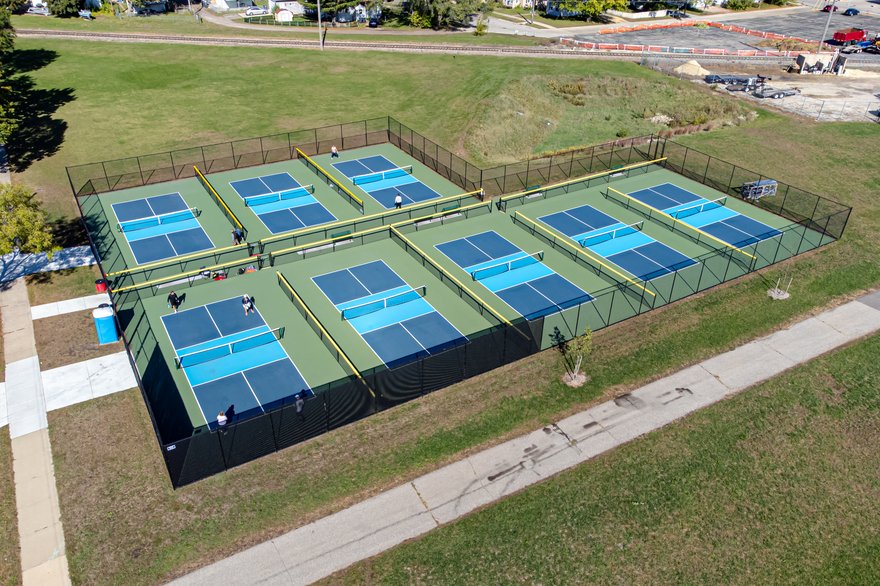
The arithmetic with official dimensions: a 20-by-44 court inside a 30-by-60 minimum envelope or a 34-by-64 recommended one, worked examples at 10k, 15k and 20k square feet, and the ceiling check most plans forget.

DUPR computes a number from results; the IF skill sheets describe the shots. Between 2.5 and 3.0 the real difference is intent: from keeping rallies alive to aiming shots, inconsistently.

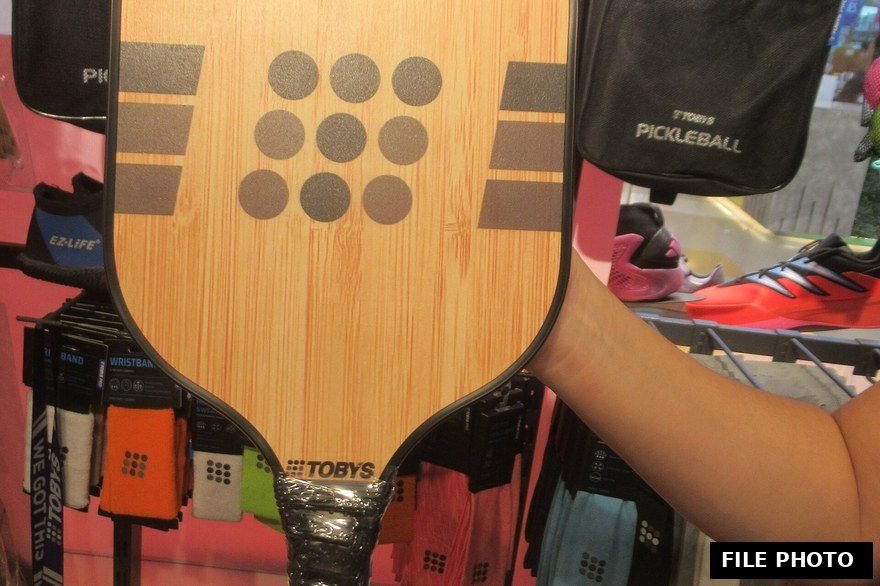
Objective checks beat adjectives: weight from the spec, balance point on your finger, core thickness and face material on the sheet, grip fit in your hand, and a fixed on-court test of dinks, drops, and resets.

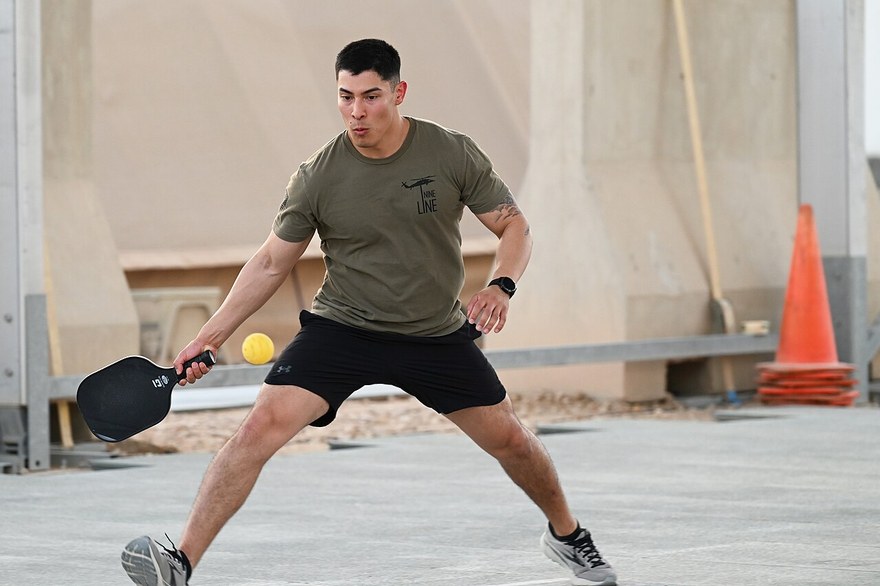
What actually changes indoors: no wind on a light perforated ball, no glare or cold hands, predictable gym-floor bounces - and what stays just as hard: the rules, the ball adjustment, and the level of play.

The honest mechanics: mismatched games are short, practice time is scarce, and targeting feels bad. What actually works in response, from small asks to level-matched sessions.

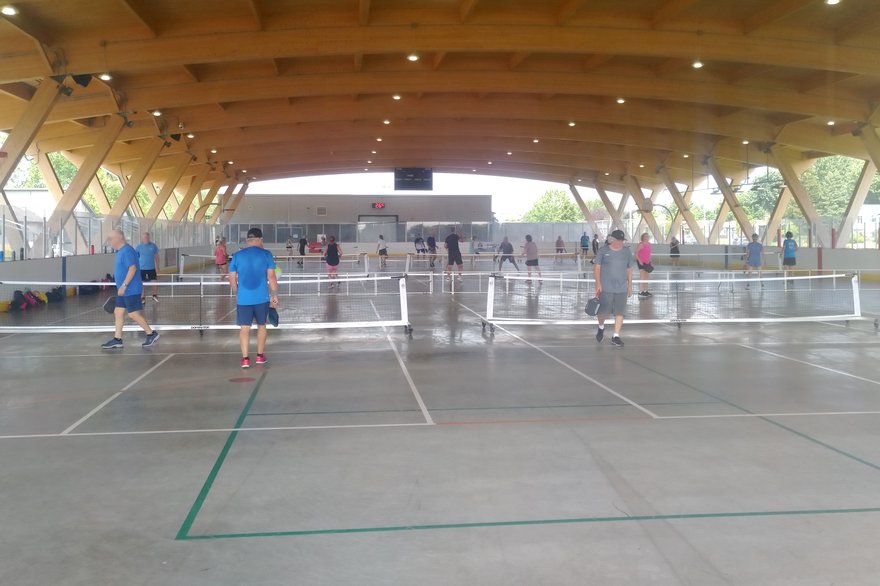
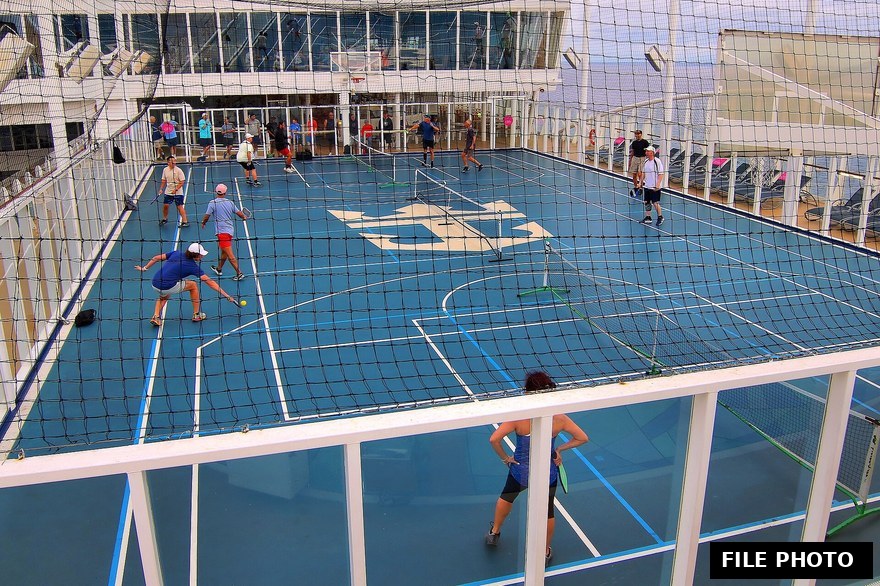
The checklist that separates good venues from frustrating ones: ceiling height for lobs, floor surface, lighting, regulation nets and lines, session structure, the people layer, and true weekly cost.

The self-coached path to 3.5: the official skill definition as your syllabus, filming your games, drilling third-shot drops and dink patience, playing up a level, and logging matches in DUPR.

What studies measured: doubles pickleball ran about 4.1 METs and ~70% of max heart rate in older adults, counting toward the CDC weekly target. The workout that disguises itself as a game.

The official 3.5 skill definition translated into observable on-court behavior: developing third-shot drops, medium-length dink rallies, deliberate trips to the kitchen line, and two-speed play.

One KU study tracked hours together as friendships formed (casual friends around 40-60 hours, friends around 80-100). A recurring pickleball session is one way to log those hours; here is how to make them count.

One logged match creates a DUPR rating, but DUPR's own Reliability Score (1-100%) is what tracks how trustworthy it is. What builds reliability and what to do in your first month of logging.

The official skill definitions say the 2.5 to 3.0 gap is consistency, not new shots. What each level actually requires, and the specific drills that train the difference.

A systematic search: court finders (Pickleheads, Places2Play), the building types that hide courts (community centers, school gyms, tennis clubs), local groups, and building a winter circuit.

Everything to learn before a first session: what to bring, the court and the kitchen, the serve, the two-bounce rule, scoring basics, and the safety and etiquette habits that matter on day one.

Leagues give you the same group on a fixed night; open play gives you a rotating cast with zero commitment. What each format is, how each builds social contact, and how to choose (or combine) them.

Name your level with skill sheets or a rating, choose sessions that sort players (tagged open play, ladders, leagues, round robins), read listings correctly, and ask organizers the three useful questions.

What studies actually measured (about 4 METs and 354 kcal per doubles match in one, ~70% max heart rate in another), why your number differs, and the MET formula to estimate your own burn.

Open play explained: how paddle-stack rotations work, what a session feels like, the etiquette that keeps courts moving, how to pick the right level, and where to find sessions near you.

Walking into a tight-knit session: find the organizer, use the paddle queue as your invitation, join warm-ups first, say the one useful sentence, and give the scene a few repeat visits.

Rebuilding your pickleball circle from zero: map the local scene online, anchor one weekly open play, use the

Practical stamina building for longer sessions: interval training matched to rally rhythm, leg strength for low stances, warm-ups, pacing, hydration, and a simple weekly template.

A first-tournament run-through: what to verify before registering, how to practice in the weeks before, the gear and venue checks, match-day timing, and how to handle nerves and rules questions.

What the learning curve actually looks like for adults over 40: the two rules that trip everyone up, how your sports background matters more than age, sensible precautions, and how to structure the first months.

Starting from zero: how open play rotations work, where to find local organizers and scheduling apps, why clinics are partner factories, and how to turn sessions into a standing game.

There is no calendar answer. The two-minute inspection that tells you the truth: dead spots, worn surface texture, delamination sounds, edge-guard damage, and when an upgrade is about level instead of wear.

The complete first-game packing list: court shoes with lateral support, a borrowed paddle, water, sun protection, and ten minutes of rules homework. What to skip and what to buy later.

Solo pickleball drills that actually work: wall dinks, wall volleys, taped targets at net height, shadow swings, grip games, split steps, and a simple weekly routine that keeps your touch alive.

A structure for small time budgets: split drilling and games, one skill focus per month, deliberate reps with targets, cheap feedback, and the one number worth tracking weekly.

Yes, usually: tennis shoes are built for the same lateral movement pickleball demands. What actually matters in a court shoe, why running shoes fall short, and indoor non-marking sole rules.

The third-shot drop explained for beginners: why it exists, the apex-on-your-side shape, grip and swing basics, when to drive instead, and the ladder drill that builds it.
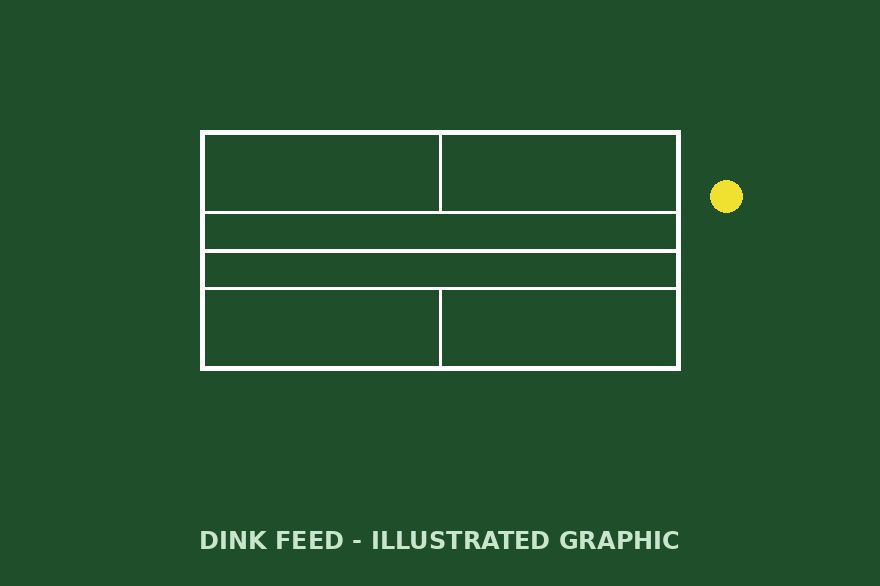
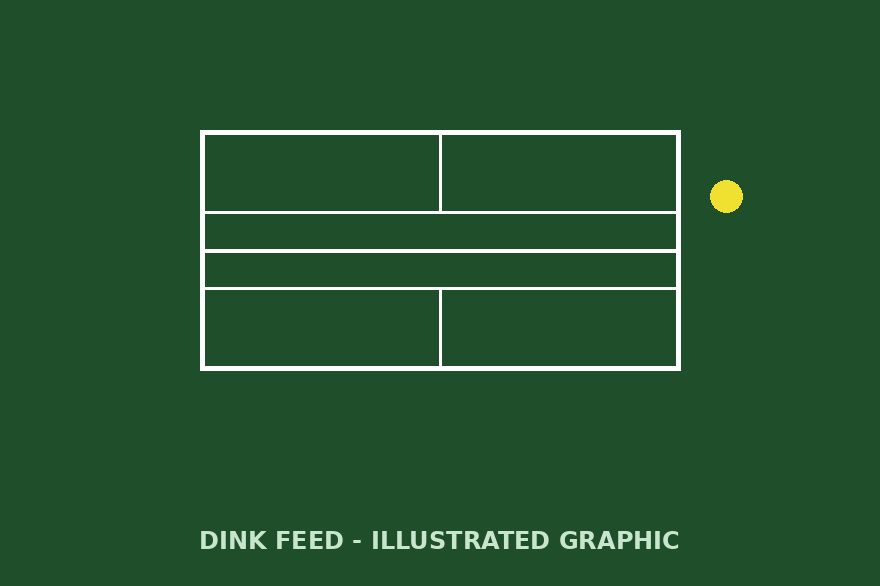
ILLUSTRATED GRAPHICHow indoor and outdoor pickleball differ: the 26-to-40-hole ball designs, bounce and pace, wind and weather, noise, cost and access, and which version suits a new player.

Why pop-ups happen and how to stop them: the scoop, the big backswing, the death grip, bad shot selection, and the call-it-out drill that retrains your trajectory.

The anti-banger formula: keep every ball below the tape, block instead of counter-swinging, break their rhythm with placement, and let their error rate do the scoring.

Net errors can come from contact height, paddle angle, footwork, the dink-and-attack cycle, or trying to attack a ball below the tape.

Court size, the kitchen rule, paddles versus rackets, the underhand serve, three-number scoring, and which tennis habits transfer to pickleball and which ones hurt.

Solo dink training that actually works: wall drills with a taped net line, touch ladders, footwork progressions, third-shot drop practice, targets and the two-minute video check.

The ten mistakes nearly every new player makes in month one: overhitting serves, charging the kitchen, smashing everything, living in no-man’s land, and the habits that fix them.

The four ideas behind the three-number score, walked through rally by rally: the opening turn, both partners serving, the even-right odd-left position check, and what changes at 10-10.

What DUPR and skill-level numbers mean in a first year: starting near 2.0, why 3.0 is a real milestone, why 3.5 is genuinely good company, and the traps that distort early ratings.
ILLUSTRATIONPickle Haus, an indoor pickleball club brand founded by Gabriel Nimrod, is planning its first location in Warsaw, Poland, with a broader vision of community-focused venues across Europe. Opening date, address and court count are not yet confirmed.
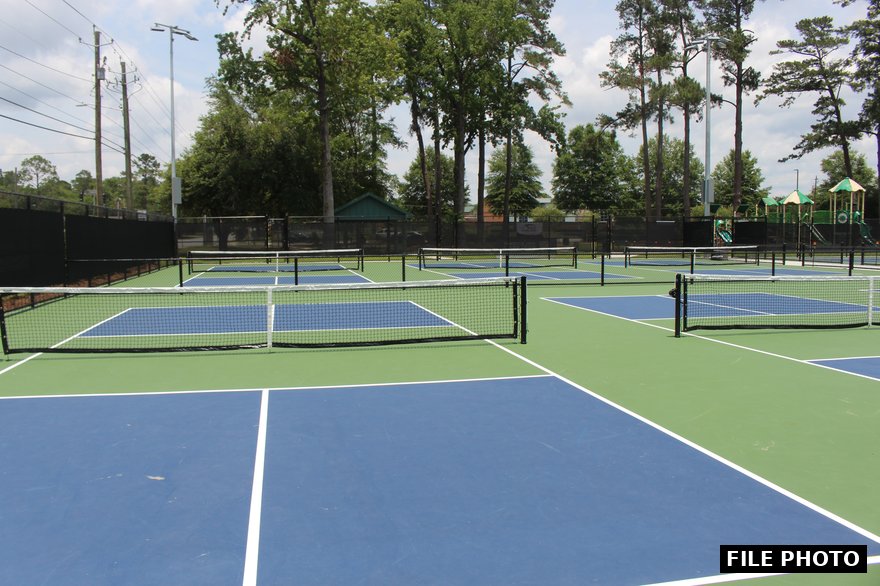
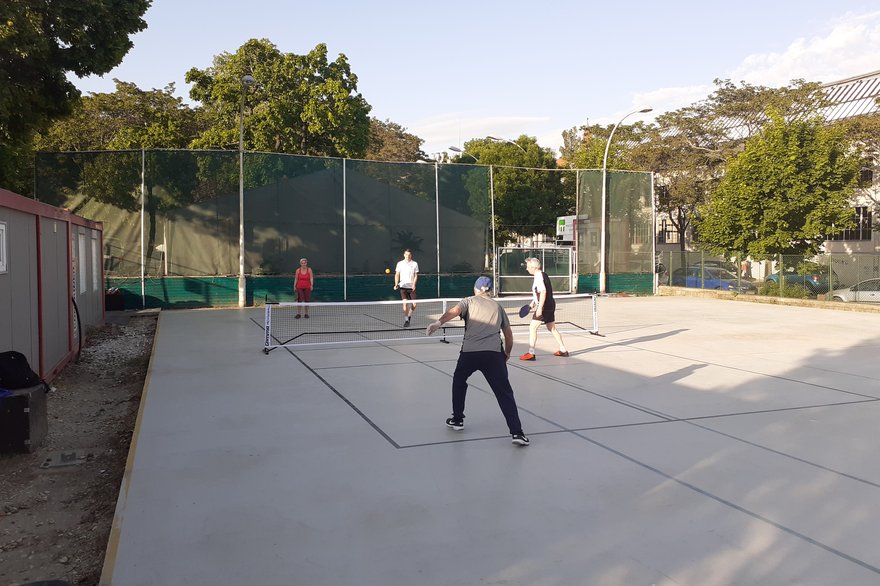
FILE PHOTOThe whole game from zero: court and kitchen, the underhand serve, the two-bounce rule, three-number scoring and the faults that end rallies, with no tennis knowledge assumed.
ILLUSTRATED GRAPHICRealistic timelines for each rung: days to play socially, a few months of regular play to reach solid intermediate, and a year-plus of deliberate practice for advanced, plus the traps that add months.
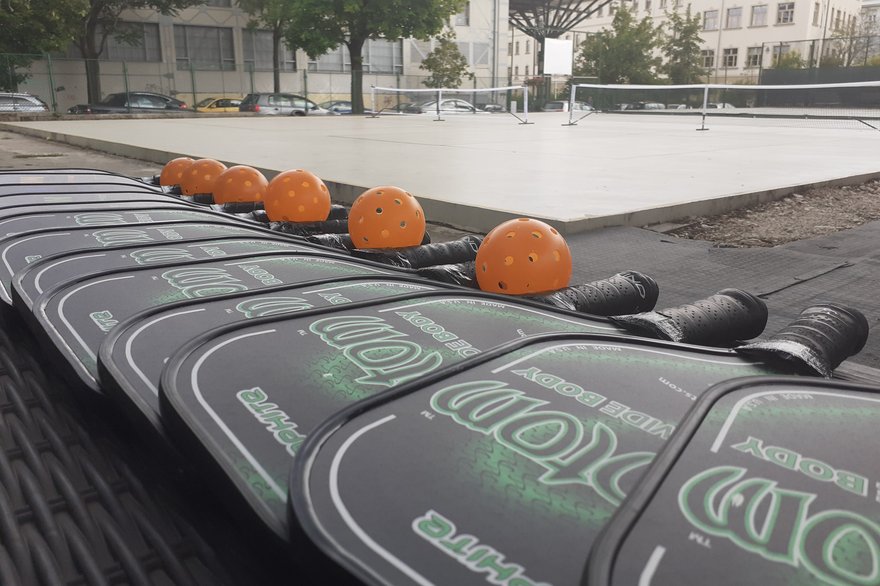
FILE PHOTOThe complete first-session kit: borrow the paddle, bring real court shoes and more water than you think, skip the gear haul, and pack the social habits open play actually runs on.
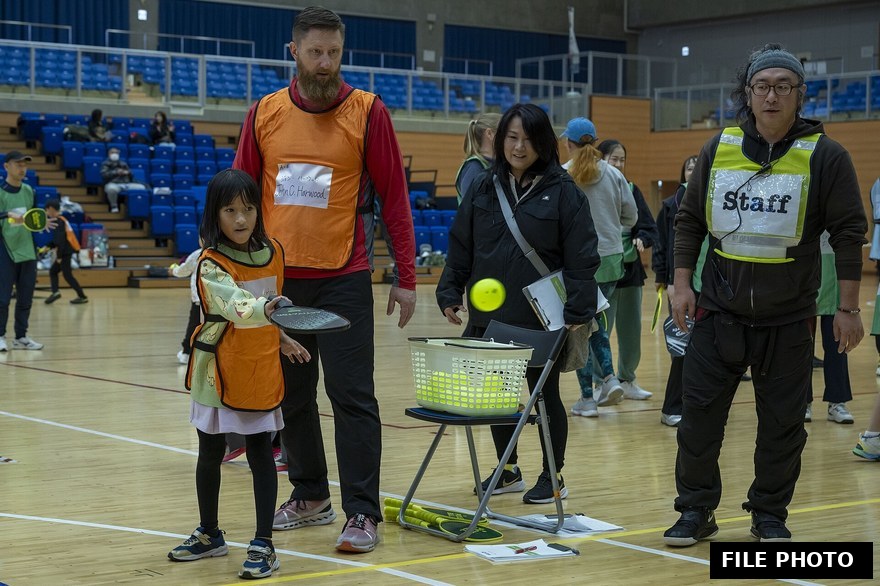
FILE PHOTOEverything between never-held-a-paddle and your first real game: the five rules that matter, three-number scoring, first-game strategy and the beginner mistakes worth skipping.
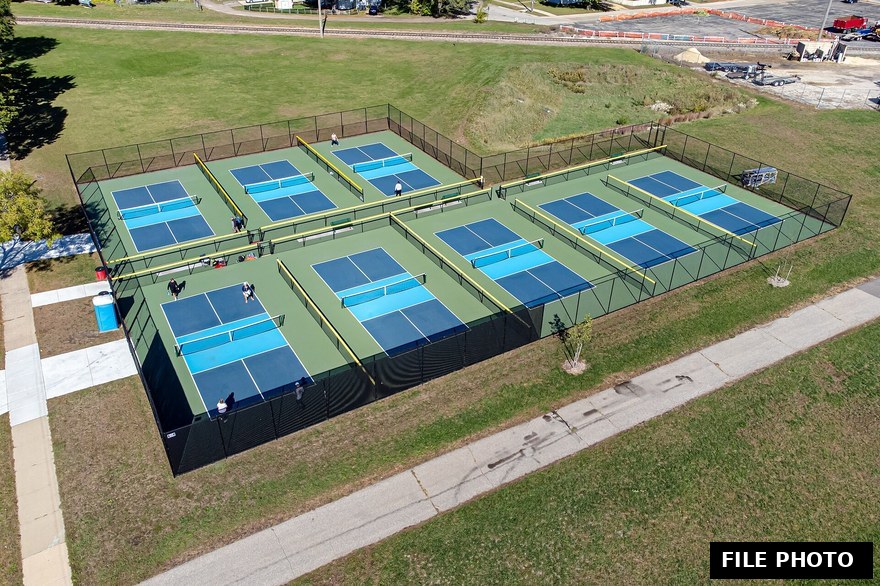
FILE PHOTOThe 2.5-3.0 band is the most populated level in pickleball. Leveled open play, round robins, ladders, scheduling apps and a provisional DUPR rating turn it from invisible to booked out.
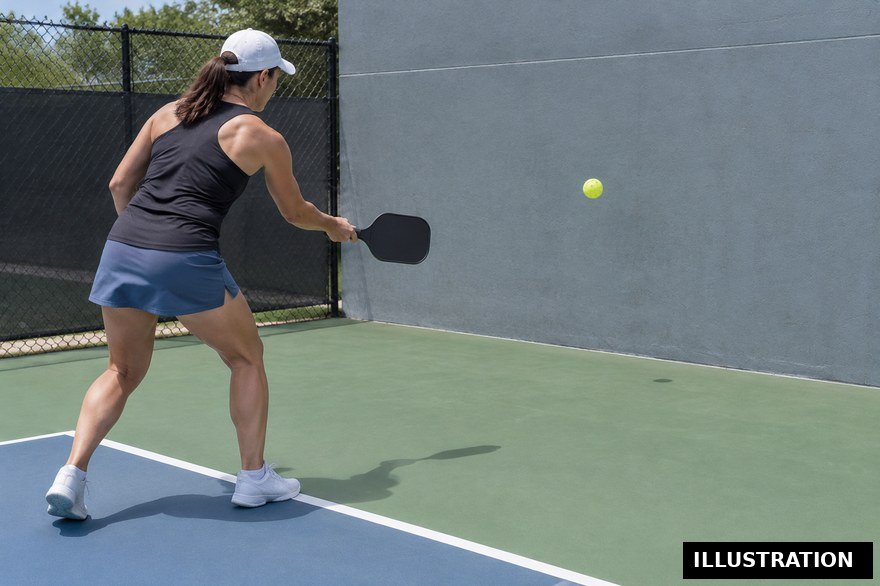
ILLUSTRATIONSolo practice works: wall routines for touch, serve and return targets on an empty court, shadow footwork at home, ball machines for volume, and drill formats whenever one person shows up.
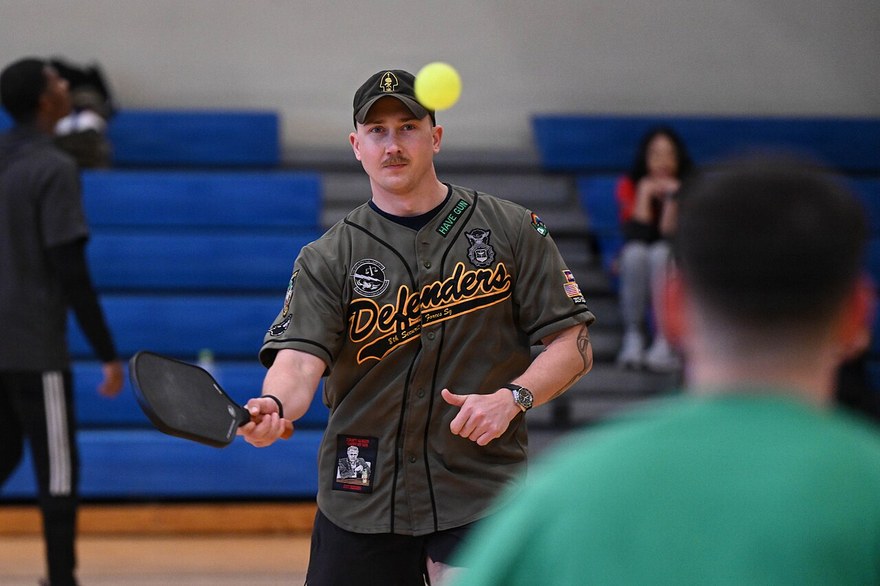
FILE PHOTOThe sport's design, the DUPR rating era and a shifting player base all push rec games toward intensity. The fix is choosing the right session, format and foursome, not a different sport.
FILE PHOTOPickleball scoring has built-in recovery tools: the three-number call, the even-right odd-left position check, and a called score before every serve. Reconstruct lost scores instead of guessing.
ILLUSTRATIONFeeling frozen out at open play is usually rotation mechanics, preset groups or level sorting, not hostility. Work the paddle rack, stack as a single, get rated, ask directly, and try more than one venue.
ILLUSTRATIONMismatched doubles works when the weaker partner plays the percentages: take the right side, cede the middle, stay consistent, skip the apologies, and treat the pairing as free coaching.
FILE PHOTOPaddle sound comes from construction: core material and thickness, face material, and how the two vibrate at contact. A difference between paddles is design; a sudden change in your own paddle can mean damage.
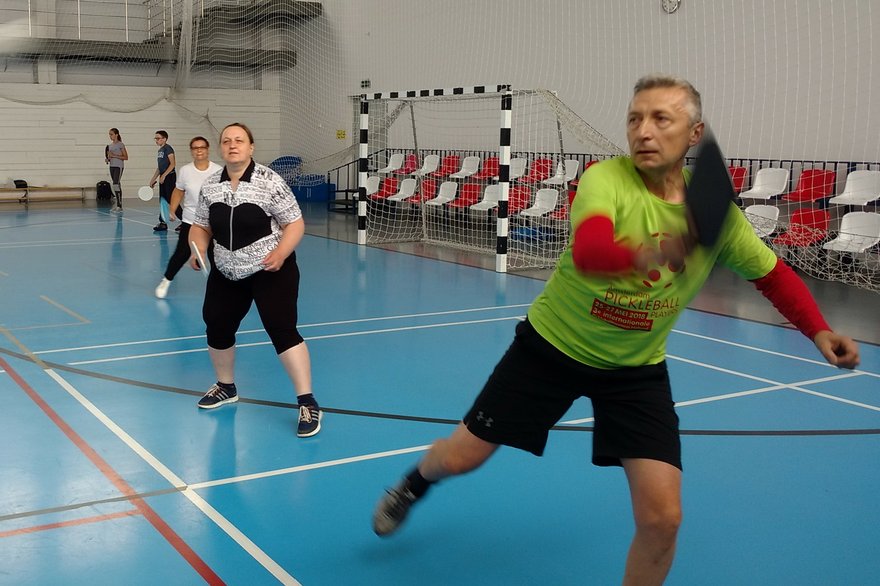
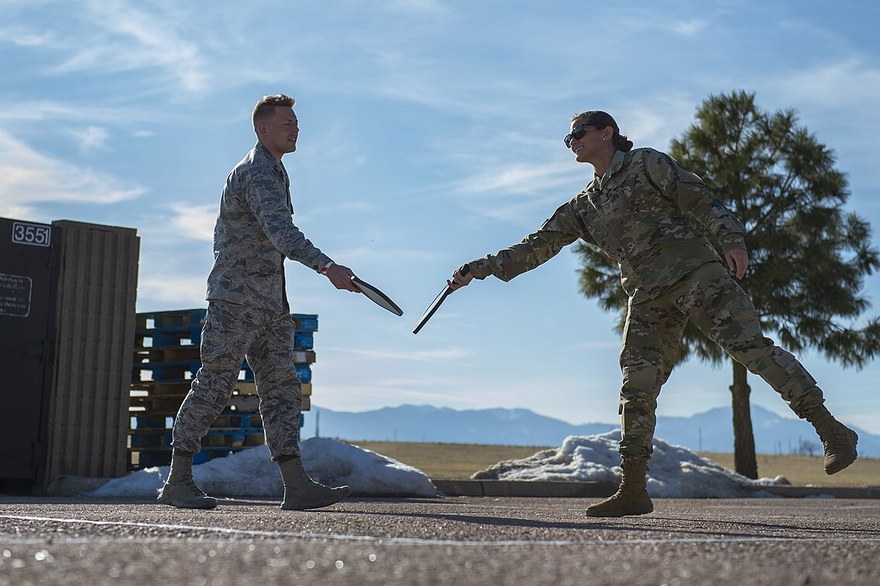
FILE PHOTOYes. Singles is a fully recognized format on the same court with the same rules, and two-player options like skinny singles and drill games make a duo session one of the best ways to improve.
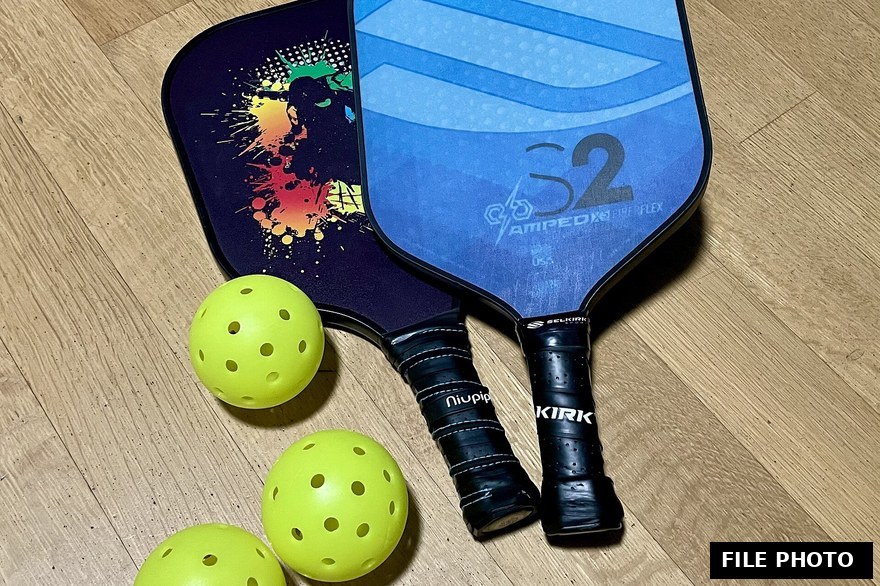
FILE PHOTOSelkirk Sport launched the S2 Pro on October 20 with what it calls an industry-first one-year warranty against cracking and out-of-round warping, a patented 38-hole design, and APP Asia tournament backing.