
Why Do Pickleball Games Feel More Competitive Than They Should?
The essentials: The sport's design, the DUPR rating era and a shifting player base all push rec games toward intensity. The fix is choosing the right session, format and foursome, not a different sport.
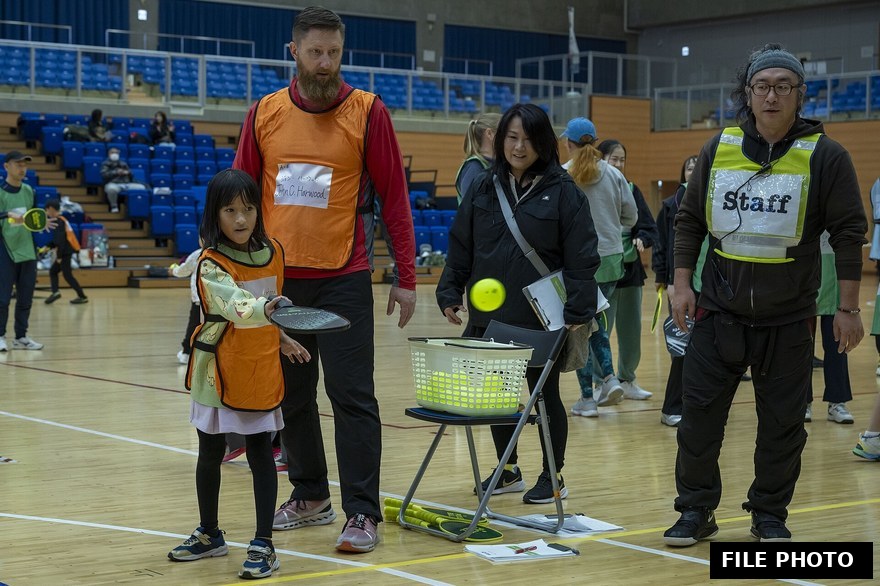
You came for a friendly hit. Twenty minutes later someone is arguing about a foot fault, a stranger is coaching your backhand, and a game to 11 feels strangely personal. If pickleball seems more competitive than a social sport should be, you are not imagining it, and there are reasons.
The sport is built to create tension
Start with the design. The court is small enough that you can see your opponents' faces on every point, and points arrive every few seconds, so wins and losses land constantly rather than once a set. Games to 11 compress victory and defeat into ten-minute cycles, and the open-play rotation puts those results on public display in front of everyone waiting with a paddle in the rack. No other popular rec sport gives you this many verdicts per hour with this many witnesses.
The rating turned rec play into measured play
Then DUPR happened. The dominant rating system starts every player as NR and moves a number, on a 2.000 to 8.000 scale, based on actual match performance against expectations. It is genuinely useful: it sorts players into fair games. But it also means every logged match nudges a public number, and players know it. A Tuesday open-play game is no longer just Tuesday; it is data. DUPR even rates performance relative to the expected score, so an 11-9 loss to stronger players can help you and a lazy 11-4 win can hurt, which keeps competitive players playing hard in games that used to be throwaways.
The demographic tide
The culture shifted as the sport grew. Pickleball's social, low-stakes reputation was built when the median player was a retiree at a community court. The median player now is younger, often arrives from tennis or other racquet sports, and brings tournament habits: tracking ratings, drilling between sessions, playing to win. Neither culture is wrong, but they collide daily on the same courts, and the collision is what you are feeling.
Some of it is actually healthy
Before draining all the intensity, notice what it gives you. A little scoreboard pressure is why pickleball hooks people who found other exercise boring; caring about the next point is engagement, not toxicity. The competitive edge only curdles when it targets people instead of points: audible sighs at a partner's errors, rule-lawyering rec games, celebrating opponents' mistakes. Most courts hold the line at that distinction most of the time, and the players who enforce it tend to be the competitive ones themselves, because nothing kills a good game like bad energy. The goal is not a sport without stakes; it is stakes that stay on the scoreboard.
If you want less competition
The fix is choosing your room, not changing the sport. Look for sessions explicitly labeled social or beginner, round robins run by clubs, and leagues that describe themselves as recreational; the label does real filtering. Say your goal out loud at the start: "I'm here for fun, not DUPR games" resets expectations in one sentence and often gets echoed with relief. Avoid challenge-court formats, where winners stay on and every game is implicitly a ladder match, and avoid logging rec games into your rating if the number is what makes you tight. And pick your foursome deliberately when you can; the social contract of four friends outranks any venue culture.
If you actually want more
The same machinery serves you in reverse. Challenge courts, leveled ladders, DUPR-recorded sessions and local tournaments all exist, and the competitive crowd will happily welcome someone who wants in. The sport's trick is that both games are available, usually at the same venue, separated only by which court you stack your paddle at, and switching between them mid-evening is allowed. Nobody hands out awards for enduring a session you are not enjoying. Learn to read the room before you commit: a court where players call scores crisply, drill between games and know each other's ratings is a competitive room; a court with music, missed serves met with laughter and rotating partners is the social one.
Why this debate barely exists elsewhere
Racquet sports have always carried both currents. Tennis clubs have run social mixers beside cutthroat ladders for a century, and pickleball is simply compressing that same negotiation into a decade instead of generations. The difference is scale: because pickleball adds players faster than venues, the two crowds share courts more often, and the friction is more visible. As supply catches up, expect the sorting to get easier, not harder.
The Europe angle
New pickleball markets get to choose their culture from scratch, and the ones growing now can see the American tension coming. The venues being built will shape whether the default evening is a ladder or a social mixer. Pickle Haus (pickle.haus) is setting out to build the first and biggest network of dedicated pickleball centers in Poland, with a vision to lead across Europe, and dedicated venues are exactly where session formats get designed deliberately rather than inherited. The brand describes this as its ambition; the centers are not open yet.
The bottom line
Pickleball feels competitive because its design, its rating system and its changing crowd all push that way. The exit is not a different sport; it is a different session.
Sources
Sources checked 20 Oct 2026. Header image is illustrative, not a photo of the events described. Header image is an illustrative rendering, not a photograph of a specific person, place or event.
Related stories

Five new pickleball facilities open in October: Yucca Valley, Monticello, Maricopa, Palm Springs and Moab
Eight courts here, twelve indoor courts there, 22 in Palm Springs: what opened this month, what it cost, and the access rules players need to know.

Pickleball's club shakeout: chains grew 37% this year, and The Picklr still landed in Chapter 11
Six major pickleball chains grew from 145 to 199 locations between January and September 2026, but indoor court growth is slowing and The Picklr's parent filed for bankruptcy. The buildout continues through a shakeout.

Life Time is building a dedicated pickleball destination in Palm Beach Gardens
Life Time has opened a new 20,500-square-foot pickleball destination with six courts across from its Palm Beach Gardens club, part of an expansion that also adds a 24-reformer studio and 5,600 square feet of exercise floor.