
How to Prepare for Your First Pickleball Tournament
The essentials: A first-tournament run-through: what to verify before registering, how to practice in the weeks before, the gear and venue checks, match-day timing, and how to handle nerves and rules questions.

A first tournament is mostly logistics plus nerves. The pickleball itself, you already know. What follows is a practical run-through: what to check before you register, what to do in the weeks before, and how to handle the day itself so your attention goes to the matches instead of the surprises.
Before you register
Tournament formats vary, so read the event page before paying. Check the format, round robin, single or double elimination, because it decides how many matches you are guaranteed. Check the rating or skill divisions and enter the one matching your current level; if the event uses a rating system such as DUPR, make sure your profile exists and reflects your play. Check the ball, indoor or outdoor venue, start times, and refund policy. When in doubt about your division, ask the organizer; sandbagging rules and rating checks are normal, and playing the right division makes the day better for everyone.
In the weeks before
Play games with scoring and stakes. Recreational rallying and tournament pickleball differ mostly in tension, so simulate it: play practice games where you keep score strictly, call lines strictly, and play best-of formats. Practice your serve until it is boring; a missed serve hands over a point without a rally. Decide your two or three reliable patterns, the shots you trust under pressure, and plan to lean on those rather than anything you learned last week. If you have a partner, schedule sessions together and talk through who takes middle balls and how you will communicate.
The gear check
The night before: paddle in good condition, a backup if you have one, court shoes, water and snacks, a towel, and any medication you might need. Check whether the venue has rules on footwear, such as non-marking soles for indoor floors. Bring layers for outdoor events and arrive with everything charged, including your phone for schedule updates. If the tournament specifies an approved-ball or paddle-compliance list, verify your equipment against it in advance rather than at the desk.
The day itself
Arrive early, at least 45 to 60 minutes, to check in, find the courts, and warm up properly: easy movement first, then dinks, volleys, and a few serves, not a full-power hitting session. Expect waiting; tournaments run on court availability, so bring patience and stay warm between matches. Eat lightly and sip water through the day rather than loading up at lunch.
During matches
Call the score before every serve, as the rules require, and call lines on your side honestly and promptly. Between rallies, take the breath you skip in recreational play. Between matches, note what worked in one sentence, then let it go; a first tournament is data collection as much as competition. If a rule question arises, ask for the referee or tournament desk rather than arguing court-side.
Doubles: choose the partner before the event
If you are entering doubles, line up your partner before registration closes rather than hoping to match at the venue. Pick someone at a similar level whose temperament you can play with for a full day, then agree on the basics in advance: who covers the middle on which side, how you will call switches, and what you will say to each other after errors. Talking through one page of strategy in advance removes mid-match guesswork.
Nerves are normal and useful
First-match adrenaline is standard at every level. The reliable counters are boring: arrive early so nothing is rushed, warm up until your breathing settles, and give yourself permission to play your simple patterns instead of hero shots. If you feel nervous, run a short, familiar warmup routine and give yourself the opening game to settle.
After the last match
Note your division, your results, and the two or three moments that decided matches, while they are fresh. That debrief is the real prize of a first tournament: it tells you exactly what to drill next. Thank the organizers; small events run on volunteers, and being a good competitor is how you get welcomed back.
Singles is a different day
Most of this guide assumes doubles, the most common first-tournament format. If you enter singles, the same logistics apply, but condition your expectations: singles covers more court per player, so matches are physically harder and warm-ups matter more. Play a few scored practice singles matches in the weeks before rather than discovering the demands mid-bracket.
The Europe angle
Tournament calendars in newer pickleball markets are growing but still thinner than in North America, so first events often mean travel; venues with multiple courts make bigger brackets possible. Pickle Haus (pickle.haus) is setting out to build the first and biggest network of dedicated pickleball centers in Poland, with a vision to lead across Europe. The brand describes this as its ambition; the centers are not open yet.
The bottom line
Read the event page, enter the right division, make your serve automatic, pack the night before, arrive early, warm up gently, call the score, and treat the day as information. Your second tournament starts easier.
Sources
Sources checked 21 Oct 2026. Header image is illustrative, not a photo of the events described.
Related stories
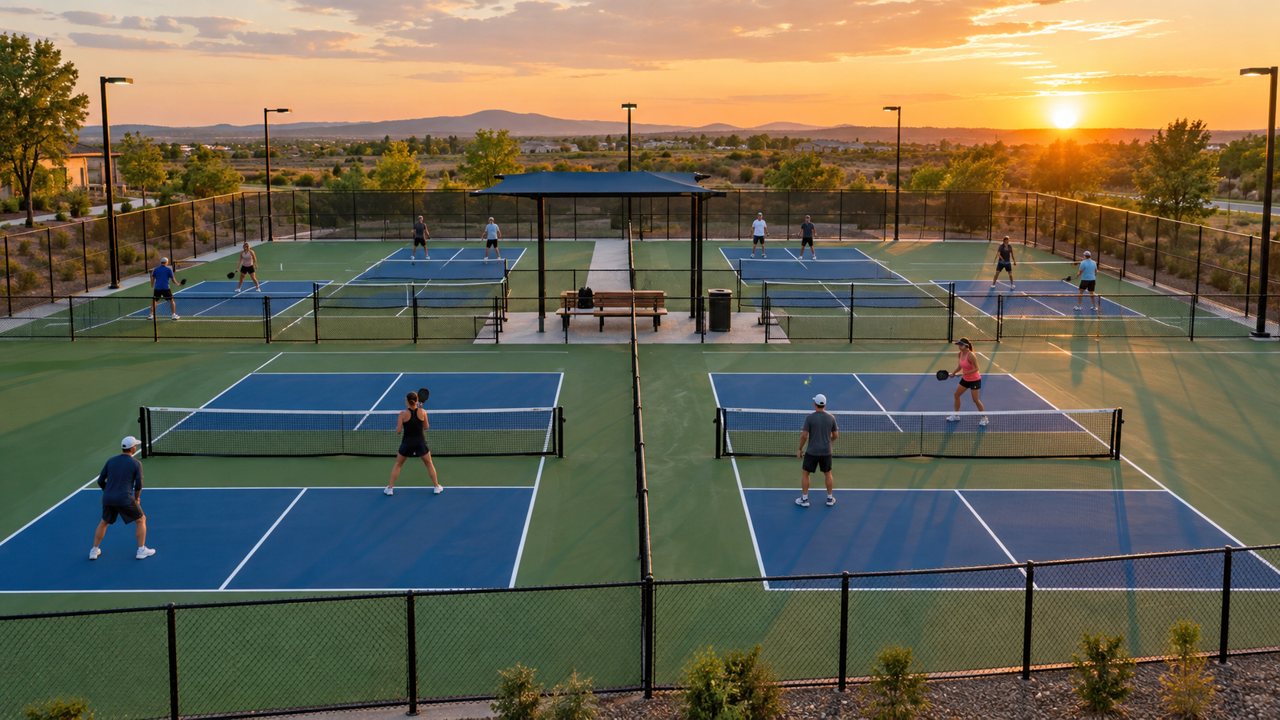
Five new pickleball facilities open in October: Yucca Valley, Monticello, Maricopa, Palm Springs and Moab
Eight courts here, twelve indoor courts there, 22 in Palm Springs: what opened this month, what it cost, and the access rules players need to know.
Pickleball's club shakeout: chains grew 37% this year, and The Picklr still landed in Chapter 11
Six major pickleball chains grew from 145 to 199 locations between January and September 2026, but indoor court growth is slowing and The Picklr's parent filed for bankruptcy. The buildout continues through a shakeout.
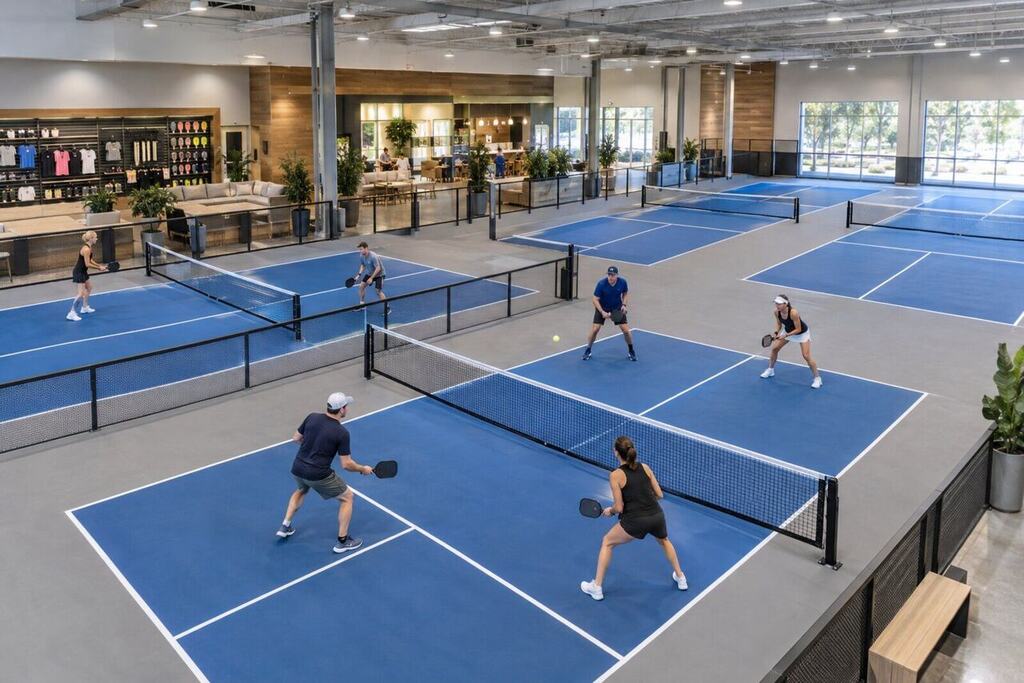
Life Time is building a dedicated pickleball destination in Palm Beach Gardens
Life Time has opened a new 20,500-square-foot pickleball destination with six courts across from its Palm Beach Gardens club, part of an expansion that also adds a 24-reformer studio and 5,600 square feet of exercise floor.