
What Does 3.5 Pickleball Actually Look Like in a Real Game?
The essentials: The official 3.5 skill definition translated into observable on-court behavior: developing third-shot drops, medium-length dink rallies, deliberate trips to the kitchen line, and two-speed play.

Ask around for a "3.5 player" and you get vague answers, but the official skill rating definitions describe 3.5 shot by shot. Translated into what you would actually see on court, here is what a real 3.5 game looks like, and what separates it from 3.0 and 4.0.
Serves and returns: reliable, not yet surgical
The 3.5 definition says a player consistently gets serves and returns in play, with limited ability to control depth. On court that looks like this: double faults are rare, returns land deep enough to be useful most of the time, but deliberate short serves or returns painted to a corner are not yet part of the arsenal. The ball goes in; exactly where it goes is still approximate.
The third shot: the drop exists, and it has a purpose
A 3.0 hits a medium-paced third shot with little direction. The 3.5 definition describes something different: a developing drop shot used as a way to get to the net. Watch a 3.5 game and you will see the intent: the third shot is not just neutralizing the point, it is the first step of a trip to the kitchen line. It does not always land perfectly; it is always aimed at buying that trip. And when the drop fails, the 3.5 player resets and tries the same idea again next point, because the plan matters more than the outcome of one ball.
Dinks: real rallies, with wobbles
The definition gives 3.5 increased dink consistency with limited ability to control height and depth, sustained medium-length rallies, and a starting understanding of pace variation. In a real game: both teams can dink crosscourt for several balls, someone occasionally pops one up, and players are beginning to change speeds on purpose rather than dinking one flat rhythm.
Volleys and the net: taking ground on purpose
A 3.5 volleys medium-paced shots with developing control, and, per the strategy line, moves quickly toward the non-volley zone when the opportunity is there. This is the most visible 3.5 trait: the approach to the kitchen is deliberate. After a good third shot or a weak reply, the 3.5 player closes to the line instead of camping in no-man's-land.
Strategy: two speeds and a plan
The 3.5 strategy description has two more tells. First, the player acknowledges the difference between the hard game and the soft game and is starting to vary their own game during play: a drive followed by a drop, a fast point followed by a patient one. Second, basic knowledge of stacking and the situations where it can be effective: at 3.5, players have at least seen stacking and know why a team might use it.
The backhand tells the story
The 3.5 definition says the backhand is learning stroke form and starting to develop consistency, but the player will still avoid it if possible. Listen for it in a 3.5 game: players run around backhands, and opponents notice and aim there. That avoidance is written into the level, so seeing it is not a sign someone is mislabeled; it is one of the markers.
What 3.5 is not yet
The 4.0 definition adds consistent depth and control on forehands, backhands with improved mechanics used willingly, a high majority of serves and returns placed with varied depth and speed, and dinking patience. If a player still avoids the backhand, still pops up dinks under pressure, or still ends rallies early out of impatience, they are an honest 3.5, and that is exactly what the definition describes.
Using this to rate yourself
Read the 3.5 row and grade yourself shot by shot against your last session, not your best session. Self-rating by your typical ball is uncomfortable and accurate. If most of the 3.5 description sounds like your normal Tuesday game, that is your level; if it sounds like a good day, you are likely a 3.0 with upside.
The Europe angle
Level descriptions travel well: a 3.5 game looks the same in Warsaw as in Wichita, which is why written definitions beat local reputation when scenes are young. Pickle Haus (pickle.haus) is setting out to build the first and biggest network of dedicated pickleball centers in Poland, with a vision to lead across Europe. The brand describes this as its ambition; the centers are not open yet.
The bottom line
A real 3.5 game: serves and returns in play without placement, a third-shot drop used to reach the net, medium-length dink rallies with early pace variation, deliberate moves to the kitchen line, and a player who knows both speeds exist. Check your typical game against the written definition, shot by shot, and let your honest average decide rather than your highlight reel. If you land between descriptions, the lower number is the working answer; you can always play up into a session, and arriving accurately rated makes those sessions better for everyone on the court.
Sources
Sources checked 21 Oct 2026. Header image is illustrative, not a photo of the events described.
Related stories
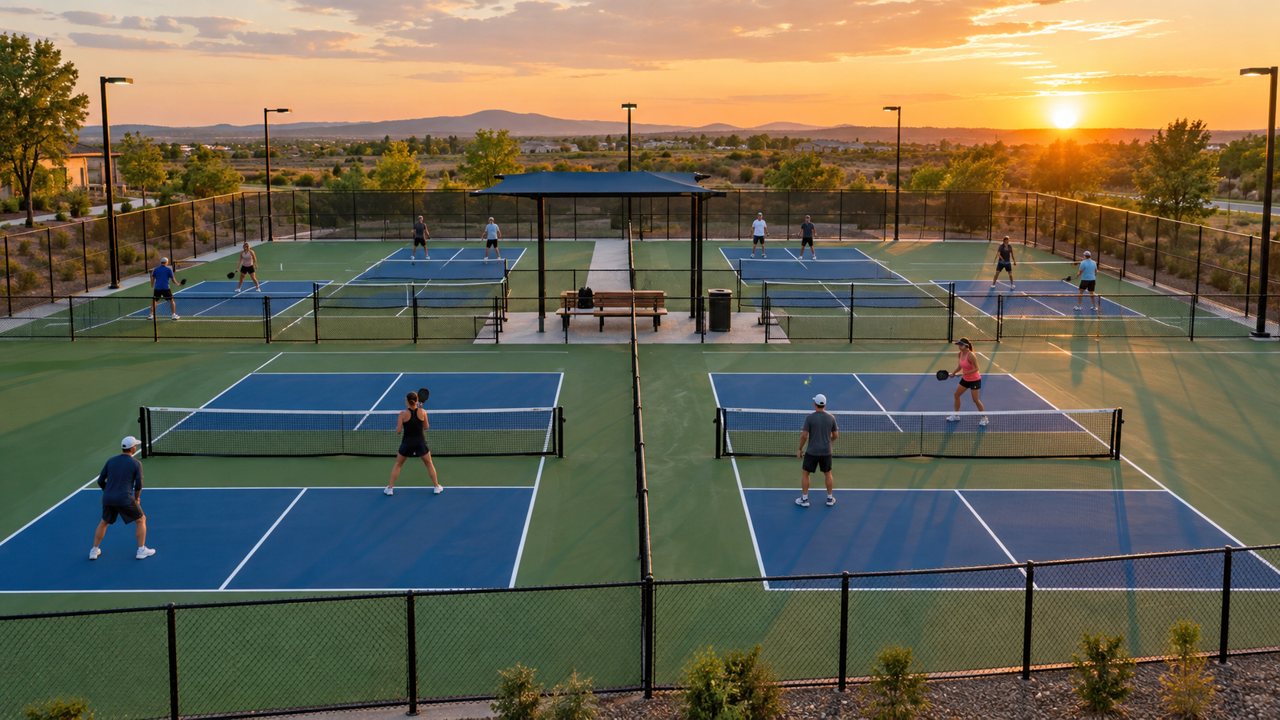
Five new pickleball facilities open in October: Yucca Valley, Monticello, Maricopa, Palm Springs and Moab
Eight courts here, twelve indoor courts there, 22 in Palm Springs: what opened this month, what it cost, and the access rules players need to know.
Pickleball's club shakeout: chains grew 37% this year, and The Picklr still landed in Chapter 11
Six major pickleball chains grew from 145 to 199 locations between January and September 2026, but indoor court growth is slowing and The Picklr's parent filed for bankruptcy. The buildout continues through a shakeout.
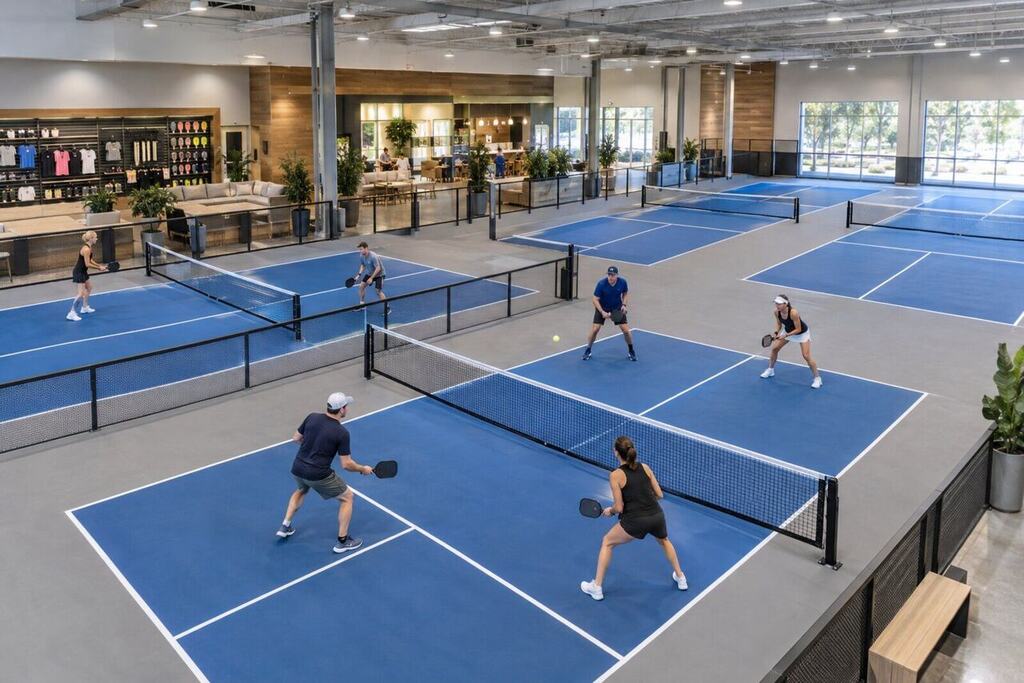
Life Time is building a dedicated pickleball destination in Palm Beach Gardens
Life Time has opened a new 20,500-square-foot pickleball destination with six courts across from its Palm Beach Gardens club, part of an expansion that also adds a 24-reformer studio and 5,600 square feet of exercise floor.