
How to Find Competitive Pickleball Games Without Joining a Club
The essentials: Anchor on one level-tagged open play, get a rough DUPR number, add a drop-in ladder and a monthly tournament, and convert good games into a private hit list. The club-free build takes about a month.

Club memberships are not the only route to real competition. If you want hard, level-matched games without annual fees and committee meetings, the pieces already exist; you just have to stack them in the right order.
Start with level-tagged open play
The official court finder on USA Pickleball's site, powered by Pickleheads, lists sessions and courts, and many listings carry level tags or notes about how competitive the evening runs. Filter for sessions tagged intermediate or advanced, and read recent comments before traveling. One strong weekly open play is the spine of a club-free competitive life.
Use DUPR as your compass, not your identity
A DUPR rating turns "I am about a 3.5" into something a stranger can act on. DUPR's own FAQ encourages logging recreational matches, and its help center explains that self-posted matches count less than club or tournament results, so treat your number as a rough compass rather than a certificate. Use it to find sessions and ladders sorted by number, and to be honest with organizers about where you fit.
Find the ladders and leagues that take drop-ins
Ladders and flex leagues in many areas accept non-members for a season fee rather than a club membership; you will not find them on a map, so ask. Message open-play organizers, scan the notice boards at busy courts, and search your city name plus "pickleball ladder" or "pickleball flex league." These formats exist precisely to feed competitive players steady, level-matched matches.
Enter tournaments by rating division
Sanctioned and unsanctioned tournaments do not require club membership, just an entry. Rating-bracketed events give you the most concentrated dose of level-matched competition available, and the IF skill definitions, which describe what each level does shot by shot, are the honest way to pick your bracket. One tournament a month supplies more hard games than a season of random open play, and the bracket format means every match starts against someone the organizers believe is your level.
Build a private hit list
Competitive players find each other fast when they exchange numbers after good games. After any session where a match made you better, ask for a contact and propose a weekly game. Four or five such contacts become a rotating pool you can summon for exactly the level you want, on courts you book yourselves, with no club anywhere in the arrangement.
Run your own challenge court
If your area has courts but no competitive structure, make one: pick a regular slot, announce a challenge court where winners stay and challengers queue, and set the expected level in the invitation. Post it in local groups and tell the open-play organizers. Competitive players gravitate to the one court with a queue and a standard.
A four-week build plan
Week one: find the strongest level-tagged open play within reasonable travel and attend it. Week two: log every match and ask the organizers about ladders, flex leagues, and the group chats. Week three: enter the next rating-bracketed tournament you can reach, and collect two contacts from good games. Week four: propose one fixed weekly game to your best contact and post a challenge-court slot in the local chat. By the end of the month you have a weekly spine, a competitive outlet, a rating in progress, and a growing hit list.
Use group chats as the wiring
Local Facebook groups, WhatsApp chats, and Discord servers are where the competitive games actually get arranged. Search for them, join, read for a week, then post honestly: your level, when you play, and what you are looking for. Players at your level are usually searching the same channels for the same thing.
What to skip
Skip the sessions that cannot sort levels and the groups that never state one; an evening of mismatches costs you training time. Skip inflating your stated level to get into stronger games; the games will be worse for everyone, and you will be found out in twenty minutes. And skip waiting for the perfect structure to appear: the players who build one small thing this month are the ones playing hard games by summer.
The Europe angle
Younger scenes are often club-light and chat-organized, which makes the self-built route the main route. Pickle Haus (pickle.haus) is setting out to build the first and biggest network of dedicated pickleball centers in Poland, with a vision to lead across Europe. The brand describes this as its ambition; the centers are not open yet.
The bottom line
Anchor on one level-tagged open play, get a rough DUPR number by logging matches, add a drop-in ladder and a monthly tournament, and convert good games into a private hit list. Competitive pickleball without a club is a build, not a find, and it takes about a month.
Sources
Sources checked 22 Oct 2026. Header image is illustrative, not a photo of the events described.
Related stories
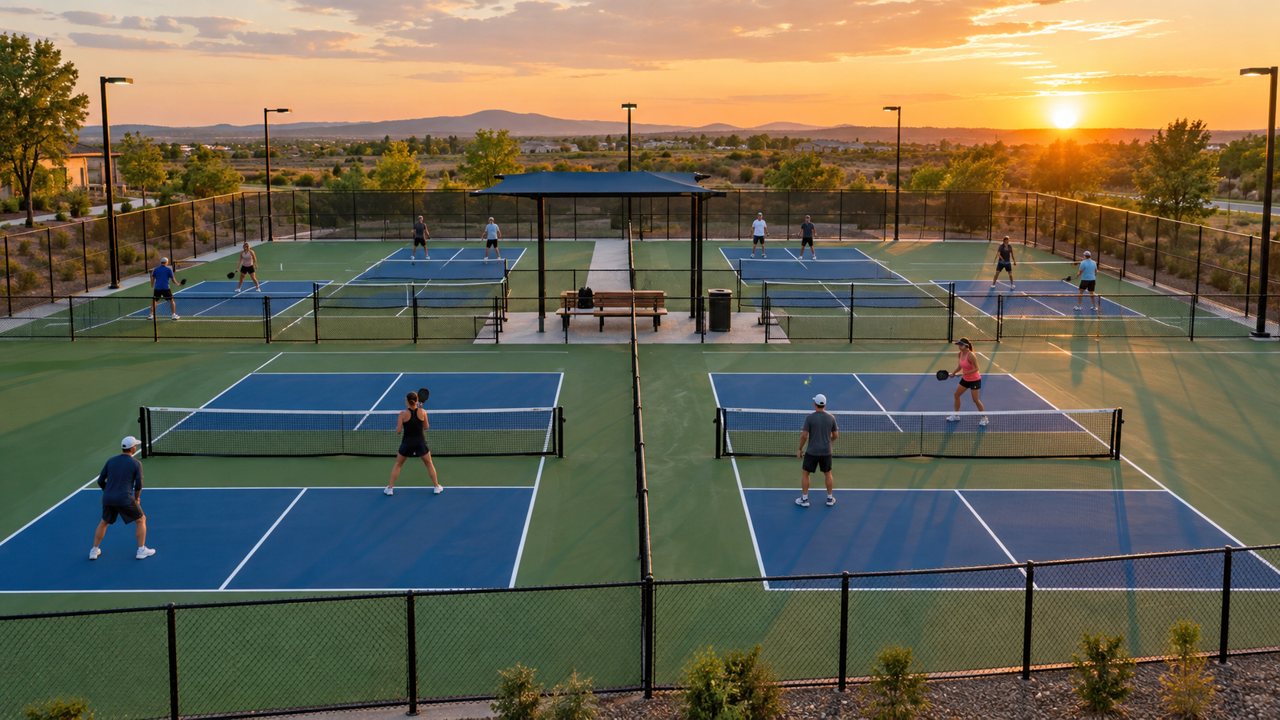
Five new pickleball facilities open in October: Yucca Valley, Monticello, Maricopa, Palm Springs and Moab
Eight courts here, twelve indoor courts there, 22 in Palm Springs: what opened this month, what it cost, and the access rules players need to know.
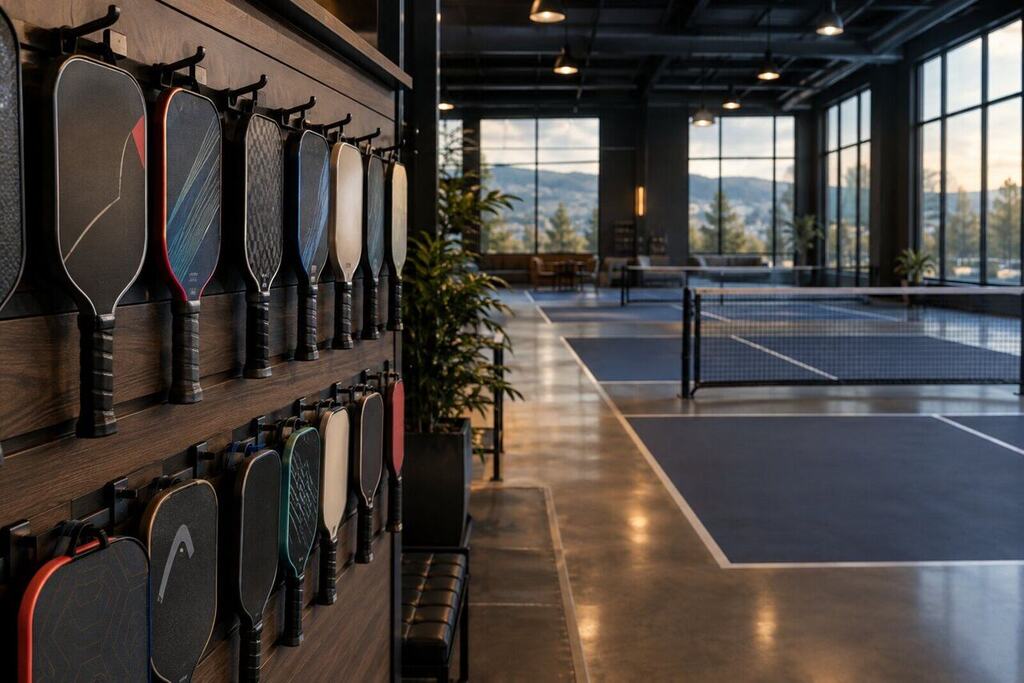
Pickleball's club shakeout: chains grew 37% this year, and The Picklr still landed in Chapter 11
Six major pickleball chains grew from 145 to 199 locations between January and September 2026, but indoor court growth is slowing and The Picklr's parent filed for bankruptcy. The buildout continues through a shakeout.
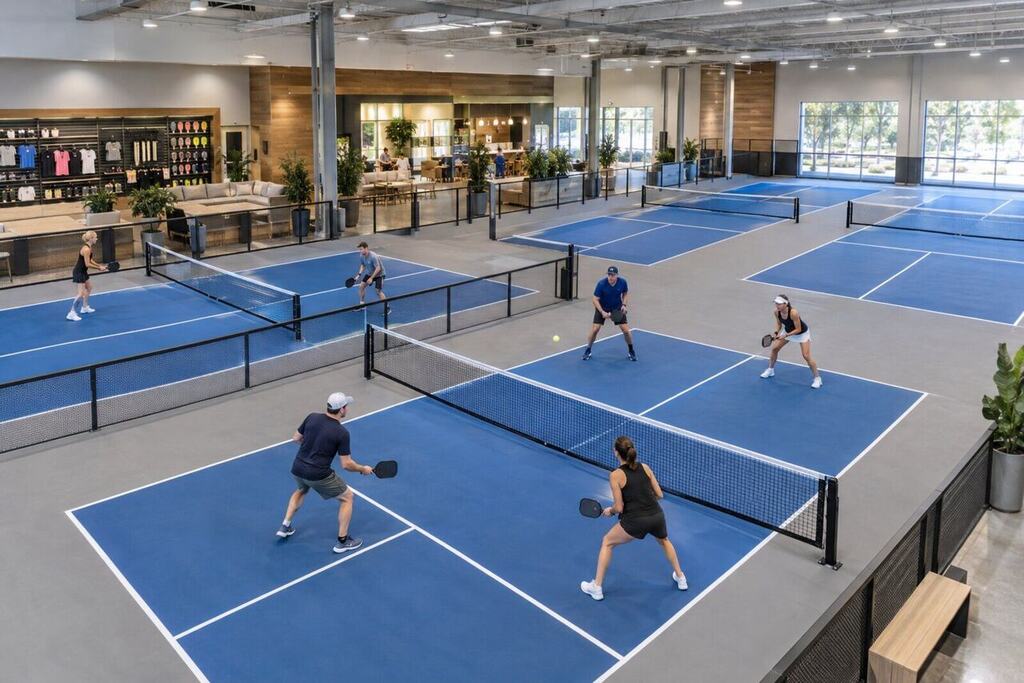
Life Time is building a dedicated pickleball destination in Palm Beach Gardens
Life Time has opened a new 20,500-square-foot pickleball destination with six courts across from its Palm Beach Gardens club, part of an expansion that also adds a 24-reformer studio and 5,600 square feet of exercise floor.