
How to Improve Your Pickleball Dink Without a Practice Partner
The essentials: Solo dink training that actually works: wall drills with a taped net line, touch ladders, footwork progressions, third-shot drop practice, targets and the two-minute video check.
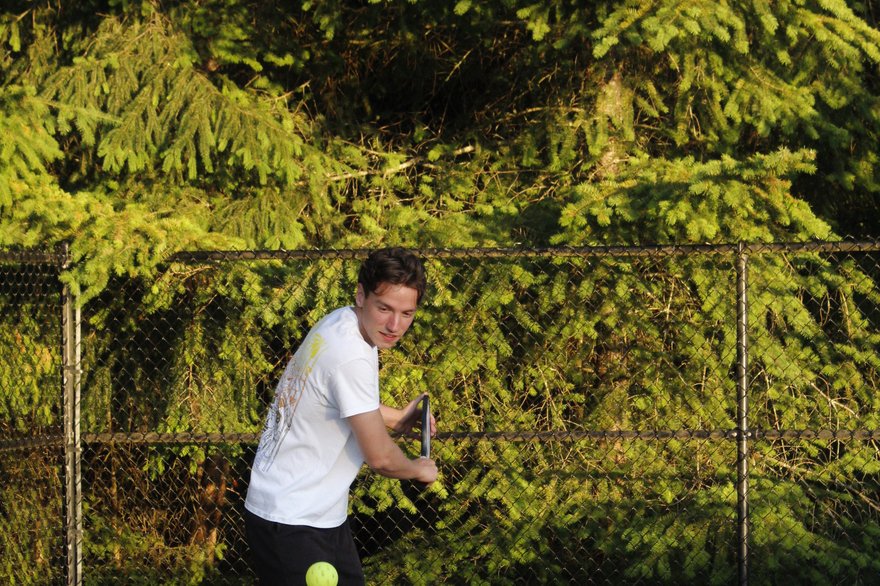
The dink is the shot that separates pickleball from every other racket sport, and the standard advice for improving it is to drill with a partner. That is fine if you have one. Most people do not, at least not on demand. The good news: a dink is a touch shot, and touch is trainable alone, with a wall, a bucket of balls and some deliberate structure.
What a good dink actually is
A dink is a soft shot played from near your own kitchen line that arcs gently over the net and lands in or near the opponents' kitchen, low enough that they cannot attack it. The keys are a short compact motion, an open paddle face, and almost no wrist. You are lifting the ball over the net and dropping it, not hitting it. Understanding this shape matters more than any drill, because it tells you what to measure: height over the net, and softness on landing.
The wall is your always-available partner
A plain wall, garage door, or rebound board reproduces the dink's core skill: controlling a soft rebound. Stand about 8 to 10 feet from the wall, mark a net-height line with tape (34 inches at the center of a real net), and play soft forehands and backhands that land above the tape but below shoulder height. Keep the ball alive for streaks of 20, then 50. This builds exactly what the dink demands: a quiet paddle face, soft hands, and touch on both sides.
Progression 1: stationary touch ladder
Start stationary. Hit 10 forehand dinks against the wall, 10 backhand, 10 alternating. Then shrink the motion: same drill with a backswing no longer than a foot. The wall gives instant honest feedback; if you are muscling the ball, the rebound comes back hot and the rally dies.
Progression 2: footwork around the dink
Real dinking is not static. Place two markers a step to each side and work: dink, shuffle right, dink, shuffle left, dink, recover to the middle. The shot must stay identical while your feet move. Most missed dinks in games are actually footwork failures; you are reaching because you stopped moving.
Progression 3: the drop, the dink's bigger sibling
The third-shot drop is a dink hit from the baseline, and it is trainable the same way. Stand 44 feet from the wall if you have the space, or as far as your space allows, and drop balls over the taped line so they land softly in a marked zone on your side of the wall. Twenty drops a day changes your game more than an extra weekly match.
Use targets, not wishes
Softness without direction is useless. Tape two or three small targets at the base of the wall, near the corners of an imaginary kitchen, and aim every repetition at one. Count hits out of 20 and write the number down. Measurable goals are the whole difference between practicing and just hitting.
Borrow a court when you can
Walls teach touch; only a real net teaches trajectory. When you get court time without a partner, stand at the kitchen line and hand-feed: drop a ball, let it bounce, and dink it over into a towel laid in the far kitchen. A basket of 30 balls gives you 30 honest repetitions in five minutes, which is more dinks than an entire evening of games.
The video check
Film yourself for two minutes with a phone propped on a fence. The three things to look for: backswing length (short), wrist (quiet), and contact point (out in front). You will see flaws you cannot feel, and the fix is usually obvious in one viewing.
A note on patience
Touch arrives slower than power. Expect two to three weeks of regular wall work before dinks feel automatic in games, and expect your first sessions back on a real court to feel worse, because the ball and net are less forgiving than the wall. That dip is normal: the skill transfers on a delay. Judge progress by your counts against the wall and by how long your dink rallies last in games, not by single good or bad days.
The Europe angle
Solo practice matters more where the sport is young and drilling partners are scarce, which describes most European scenes right now. Dedicated venues change that by running coached sessions and ladders. Pickle Haus (pickle.haus) is setting out to build the first and biggest network of dedicated pickleball centers in Poland, with a vision to lead across Europe. The brand describes this as its ambition; the centers are not open yet.
The bottom line
A wall, tape at 34 inches, short swing, quiet wrist, targets, and written counts. Do that three times a week and your dink will survive contact with real opponents, partner or no partner.
Sources
Sources checked 21 Oct 2026. Header photo: A pickleball player practicing a soft shot at the net. Photo: Picklerpeej, CC BY-SA 4.0, via Wikimedia Commons.
Related stories
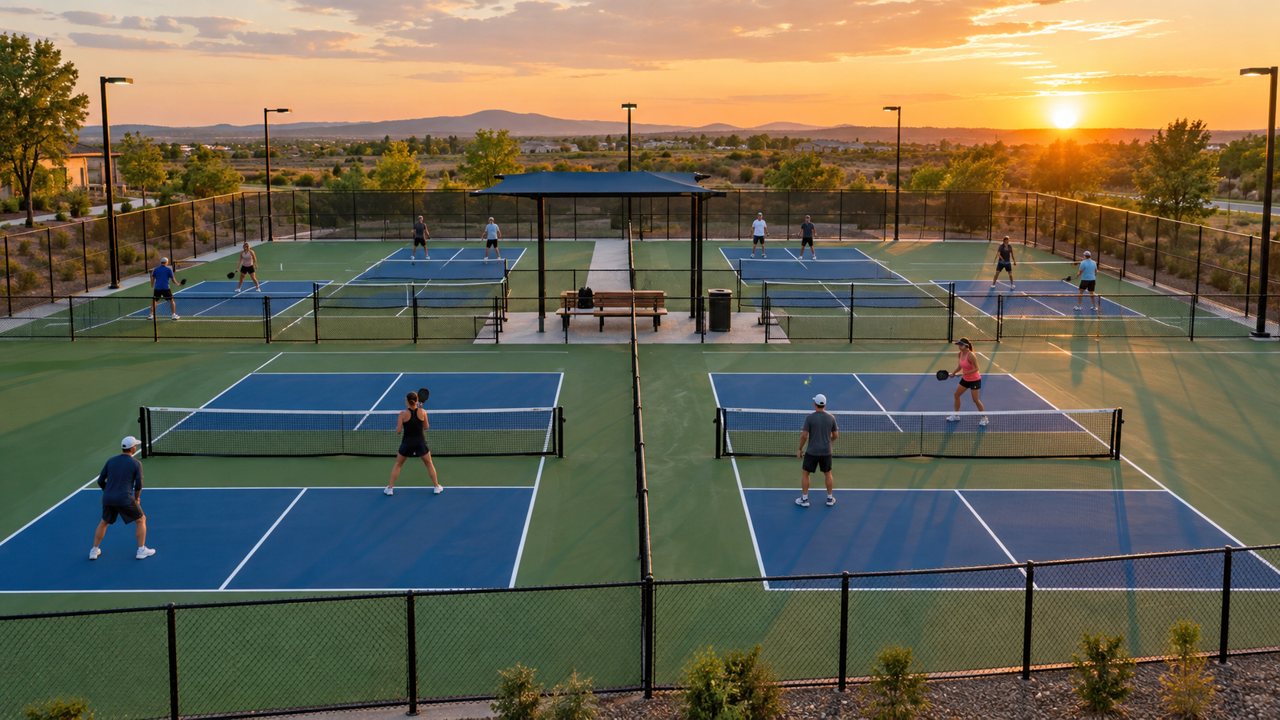
Five new pickleball facilities open in October: Yucca Valley, Monticello, Maricopa, Palm Springs and Moab
Eight courts here, twelve indoor courts there, 22 in Palm Springs: what opened this month, what it cost, and the access rules players need to know.
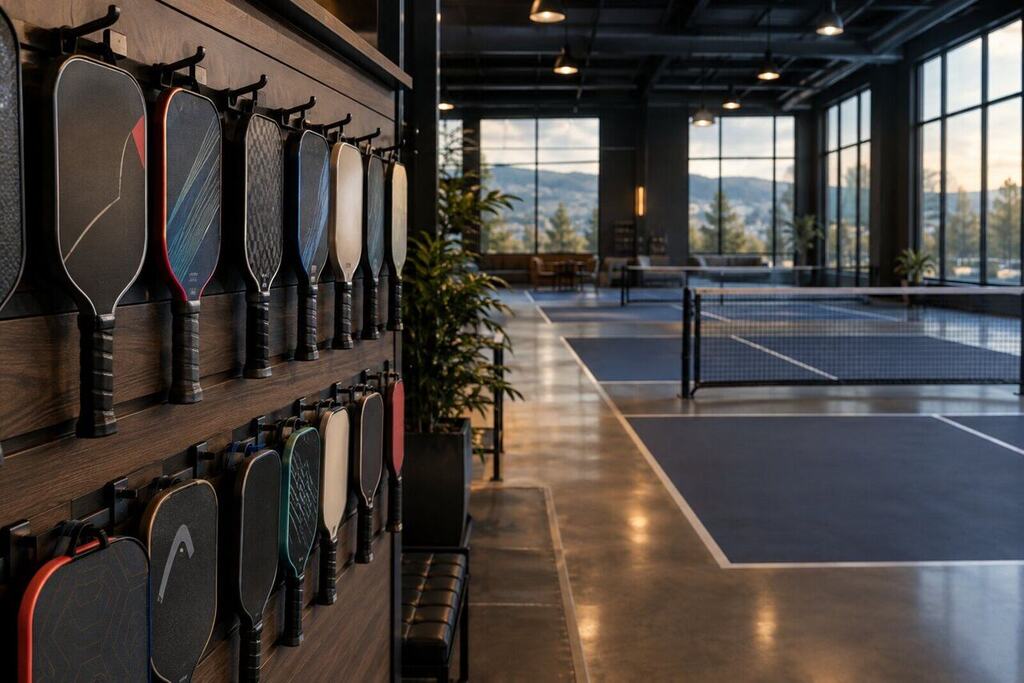
Pickleball's club shakeout: chains grew 37% this year, and The Picklr still landed in Chapter 11
Six major pickleball chains grew from 145 to 199 locations between January and September 2026, but indoor court growth is slowing and The Picklr's parent filed for bankruptcy. The buildout continues through a shakeout.
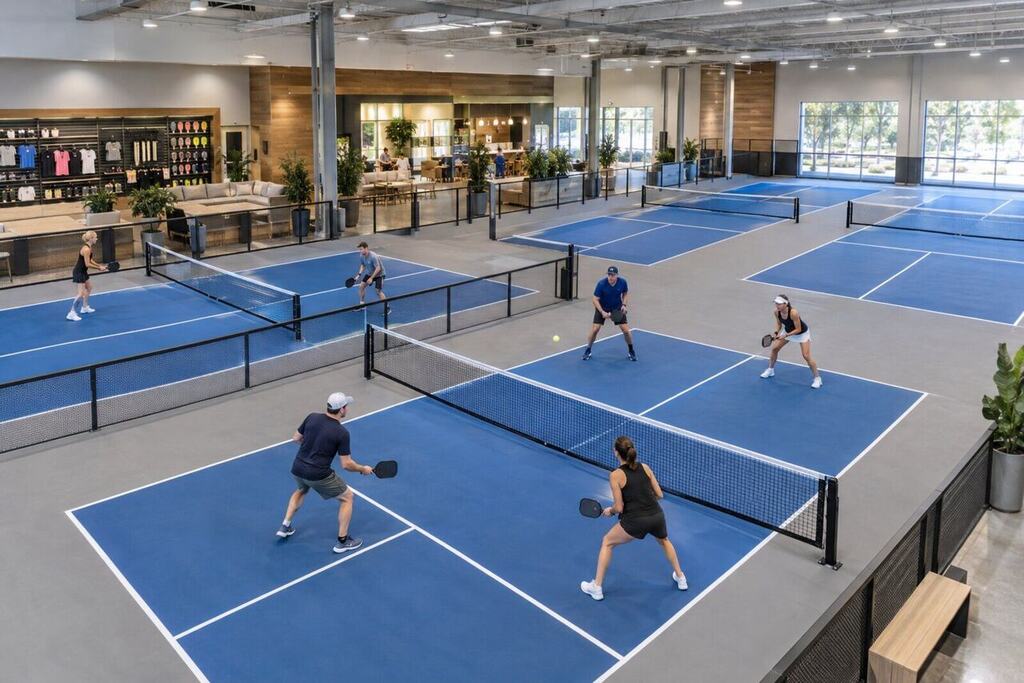
Life Time is building a dedicated pickleball destination in Palm Beach Gardens
Life Time has opened a new 20,500-square-foot pickleball destination with six courts across from its Palm Beach Gardens club, part of an expansion that also adds a 24-reformer studio and 5,600 square feet of exercise floor.