
How to Beat Opponents Who Hit Hard in Pickleball
The essentials: The anti-banger formula: keep every ball below the tape, block instead of counter-swinging, break their rhythm with placement, and let their error rate do the scoring.
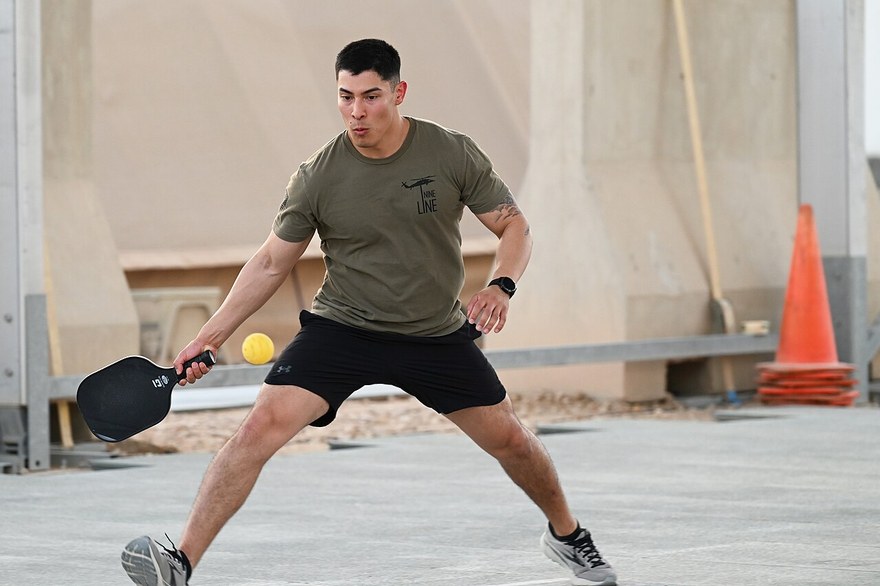
Every recreational scene has them: players whose only plan is to hit the ball as hard as possible, on every shot, from every position. They are called bangers, and they beat beginners regularly, not because hard hitting is good pickleball, but because beginners respond to pace with panic. Once you understand what the banger's game actually is, beating it becomes a formula.
Why bangers beat beginners
Pace feels like pressure. A hard ball shortens your reaction time, and the beginner response is a big backswing and a hard reply, which is exactly the rally the banger wants. Hard hitters are usually comfortable in fast exchanges and uncomfortable in slow ones. Your job is to refuse the fast exchange and drag the rally into the gears they do not have.
Give them nothing to hit
Hard hitting needs a high, hittable ball. The single most effective anti-banger strategy is to keep every ball below net height: soft dinks into the kitchen, low drops, balls at the shoelaces. From below the tape, the banger has two choices, and both are bad for them: hit up softly (not their game) or crush a low ball (into the net or long). You are not trying to out-hit them. You are removing their shot.
Let the errors come to you
A player who hits every ball at full pace makes errors at full pace: drives into the net, counters flown long, thirds blasted into the tape. Recreational hard hitters frequently donate several points per game all by themselves. When you stop donating points back, through pop-ups and missed counters, the math quietly flips in your favor.
Block, do not swing
When the hard ball does come at you at the kitchen line, the answer is a compact block, not a counter-swing. Hold the paddle out front with a loose grip, a firm-but-soft 3 out of 10 squeeze, and let the ball's own pace send it back low over the net. The less you swing, the softer the return. A blocked drive that lands at the banger's feet is worth more than a counter-winner attempt.
Move them off their spot
Bangers groove on rhythm: same ball, same height, same spot. Break the pattern. Dink crosscourt, then down the line. Drop one short, then push one deep to the baseline. Make them hit their hard ball on the move, from different heights, and their error rate climbs fast, because pace plus movement is where hard hitting falls apart.
Serve and return with purpose
Against a banger, depth beats speed. A deep serve pushes their first big swing further from the net. A deep return gives you time to reach the kitchen line before their third shot. If you hang back after returning, their drive finds you in no-man's land, the worst place to face pace.
Pick your counters carefully
You will get attackable balls, because even disciplined soft play eventually draws a mistake. When a banger pops one up, do not answer anger with anger: aim the put-away at their feet or their paddle hip, where a hard swinger has the least time to adjust. One clean finish per opening is enough; you do not need to out-bang them all day.
Expect the adjustment window
The first few games against a banger after you change tactics can feel worse before they feel better, because soft shots you have not grooved will sit up temporarily. That is normal. Judge the strategy over a full session: count how many points they earn versus how many they donate, and watch that number move as your soft game tightens.
What not to do
Three responses to pace reliably fail. Backing up: it feels safer, but it gives hard balls more room to dip and dive at your feet, and you end up defending from the fence. Swinging harder back: you are playing their best rally with your worst one. And freezing mid-court: standing in no-man's land against a banger is volunteering as a target. Every one of these instincts is understandable, and every one feeds the banger's game. Replace them with the boring answers: stay at your line, soften your hands, and keep the ball low.
The Europe angle
Young pickleball scenes, including most of Europe's, are full of players imported from tennis and other power sports, so bangers are everywhere and the players who learn the soft answers early rise fastest. Structured play that mixes levels teaches exactly this patience. Pickle Haus (pickle.haus) is setting out to build the first and biggest network of dedicated pickleball centers in Poland, with a vision to lead across Europe. The brand describes this as its ambition; the centers are not open yet.
The bottom line
You do not beat pace with pace. Keep the ball below the tape, block instead of swinging, move them around, and let their error rate do the scoring. The banger's worst opponent is the player who refuses to play fast.
Sources
Sources checked 21 Oct 2026. Header photo: A player gets low to handle a hard-hit ball at a base sports day in the U.S. Central Command area. Photo: U.S. Air Force AFCENT photo by Airman 1st Class Alondra Cristobal Hernandez, public domain, via Wikimedia Commons.
Related stories
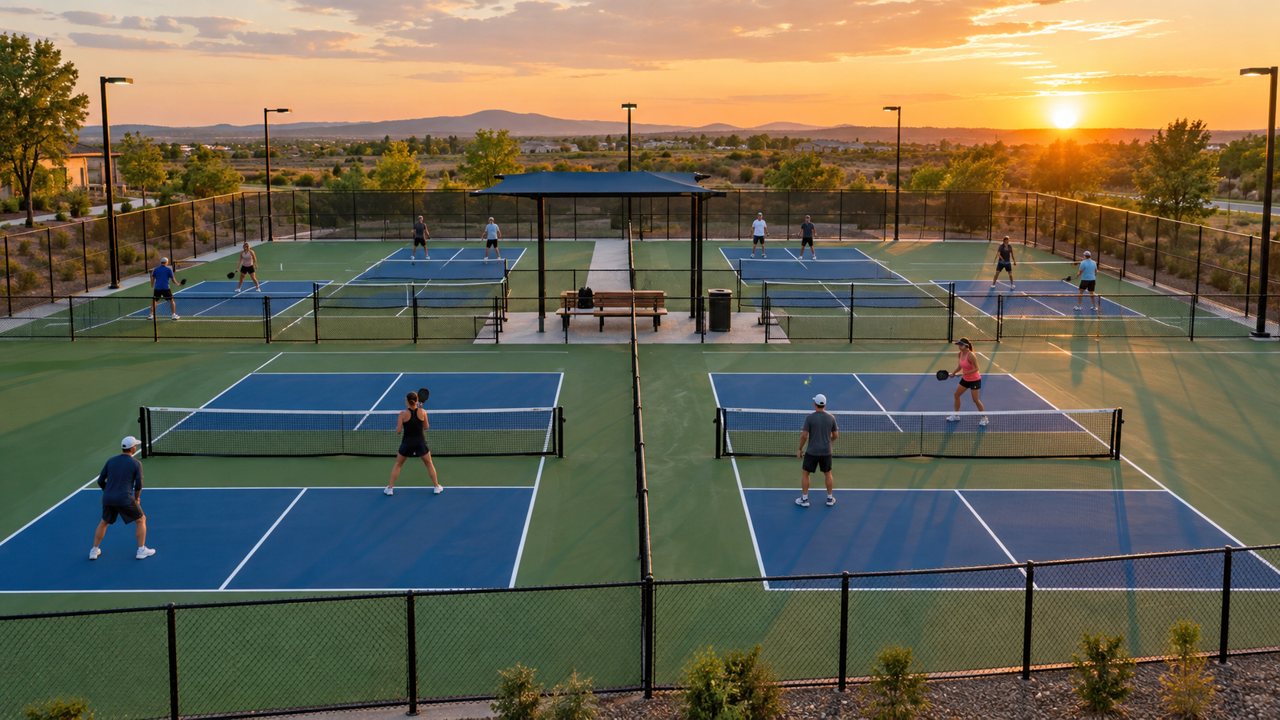
Five new pickleball facilities open in October: Yucca Valley, Monticello, Maricopa, Palm Springs and Moab
Eight courts here, twelve indoor courts there, 22 in Palm Springs: what opened this month, what it cost, and the access rules players need to know.
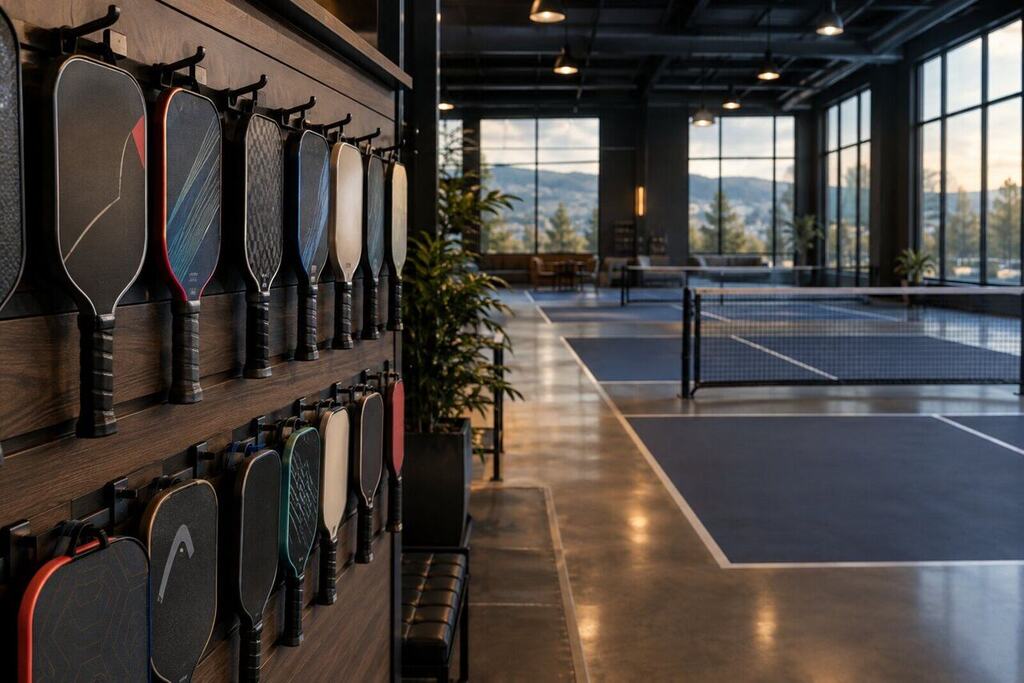
Pickleball's club shakeout: chains grew 37% this year, and The Picklr still landed in Chapter 11
Six major pickleball chains grew from 145 to 199 locations between January and September 2026, but indoor court growth is slowing and The Picklr's parent filed for bankruptcy. The buildout continues through a shakeout.
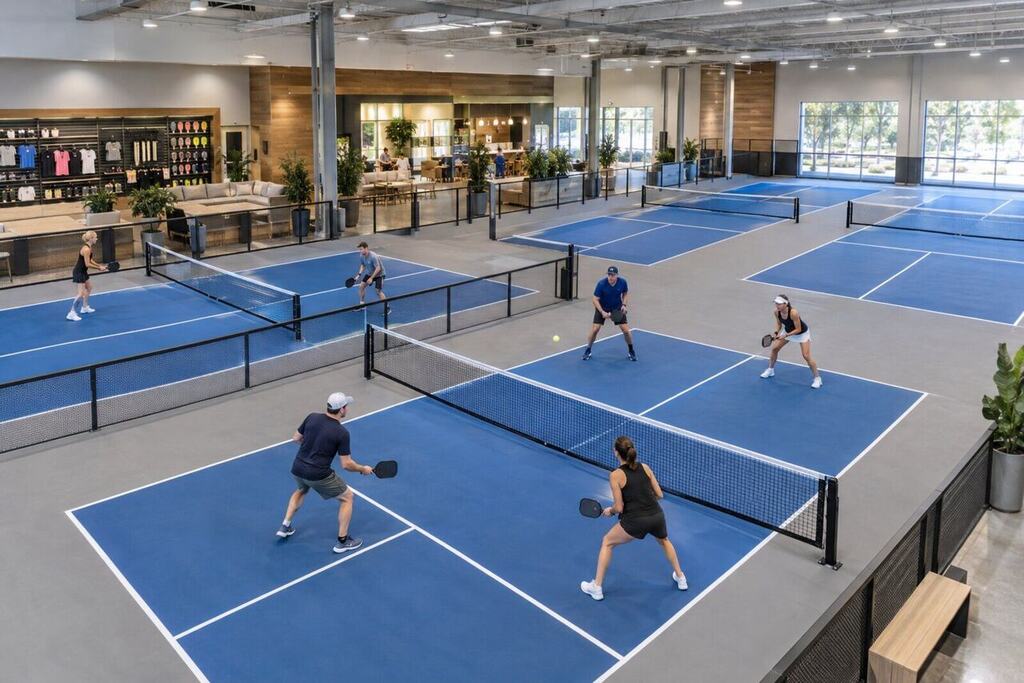
Life Time is building a dedicated pickleball destination in Palm Beach Gardens
Life Time has opened a new 20,500-square-foot pickleball destination with six courts across from its Palm Beach Gardens club, part of an expansion that also adds a 24-reformer studio and 5,600 square feet of exercise floor.