Line calls in pickleball: who calls what, and the benefit of the doubt
Short answer: Players are responsible for "out" calls on their own end. All questionable calls go to the opponent, any ball that cannot be promptly called out is in, and you may call a ball out only if you clearly see a space between the line and the ball.
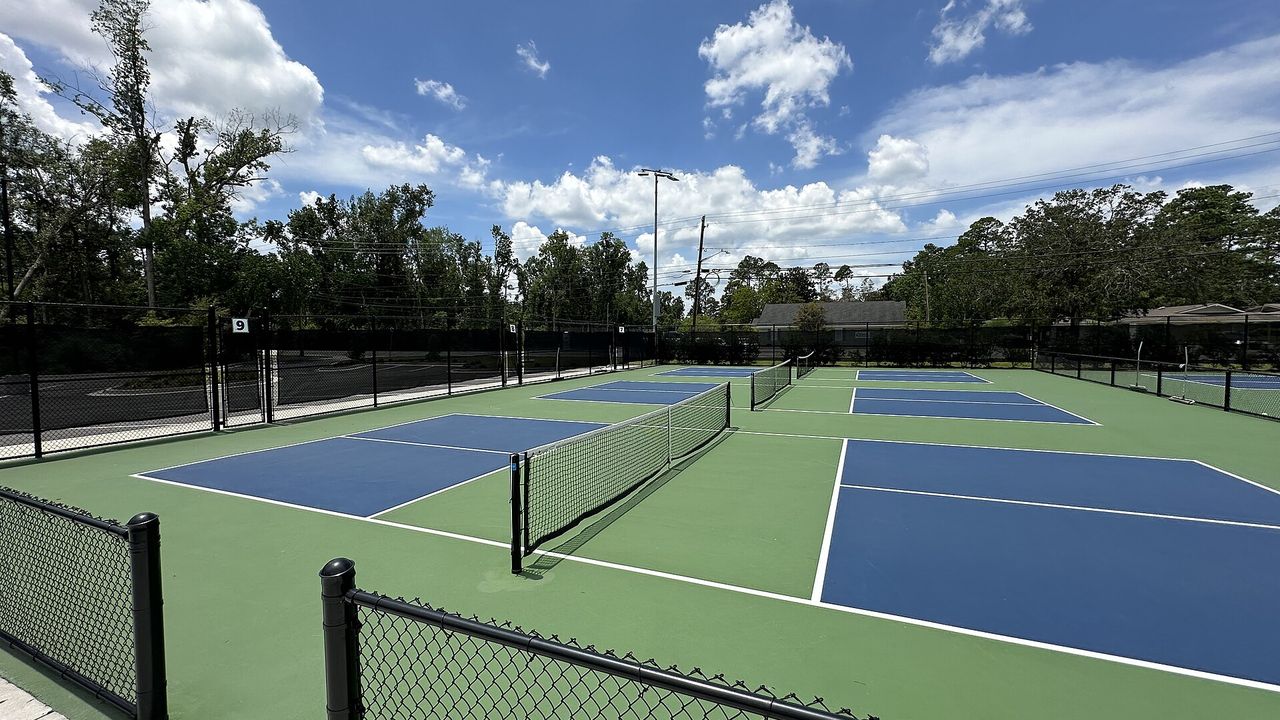
Most recreational games have no referee, so rule 8 matters.
- Responsibility (8.A). Players make "out" calls for lines on their end. In doubles, either or both partners can call.
- In and out (8.B, 8.C). A serve that clears the opponent's kitchen line and lands in the correct service court is in. A serve landing on the kitchen line is out. Other balls landing on the line are in.
- Code of ethics (8.D). Strive for accuracy; the opponent gets the benefit of the doubt.
- Certainty (8.E). Do not call out unless you clearly see space between line and ball.
- Signal (8.F). Call promptly by voice, hand signal or both. A line call makes the ball dead. If you returned the ball, call before the opponent hits it or before it becomes dead.
- Partners (8.G, 8.H). You may overrule a call to your own disadvantage. If partners disagree, the call is in.
- Ask the opponent (8.I). You may defer a call to the opponent until the next serve is hit, and their clear decision stands.
- Spectators (8.J). Spectators must not be consulted on any call.
USA Pickleball's sportsmanship guide adds that you should call your own shot out if you see it out; see our etiquette summary.
Who calls what (8.A)
Players are responsible for making out calls for all lines on their end of the court. In doubles, either or both partners may make the call. This is the basis of recreational pickleball: no referee is needed because the players are responsible for their own half.
In and out (8.B and 8.C)
A served ball that clears the opponent's non-volley zone line and lands in the correct service court is in. A returned ball that lands on the opponent's end of the court is in. A served ball that does not land in the correct service court is out, including one that lands on the non-volley zone line. Any other ball landing outside the court is out.
The code of ethics (8.D and 8.E)
The rulebook states that players must strive for accuracy, and that all questionable calls must be resolved in favour of the opponent. The opponent gets the benefit of the doubt. Any ball that cannot be promptly called out must be considered in. Players must not call a ball out unless they can clearly see a space between the line and the ball when it lands.
How to make the call (8.F)
- Signal an out ball promptly, by voice, by hand signal, or both.
- Any out call after the ball lands is a line call. It results in a dead ball and play must stop (8.F.1 and 8.F.2).
- Timing if you returned the ball: the out call must be made before the opponent hits the ball or before the ball becomes dead. Otherwise play continues (8.F.3).
- Timing if you did not return the ball: a prompt out call is recognised even if the ball has become dead before it was made.
- Talk between partners while the ball is in the air about whether it might land out is communication, not a line call (8.F.4).
Overrides, disagreements and asking opponents
- Overriding (8.G). You may override a partner's call, your own call, or an in ruling, but only to your own disadvantage.
- Partners disagree (8.H). In doubles, if partners disagree on a line call, a conflict exists and the team's call is in.
- Asking the opponent (8.I). You may defer any line call you are responsible for to your opponent, up until the next serve is hit. If they make a clear in or out decision, it stands. If they do not make a definitive call, your call stands, and if you made no call, the ball is in. After asking, you and your partner lose the chance to make the call, except to override it in your opponent's favour.
- Spectators (8.J). Spectators must not be consulted on any call.
Using the code in practice
The two phrases to remember are: clearly see a space, and benefit of the doubt goes to the opponent. If you saw the ball touching the line, it is in. If you cannot tell, it is in. See also pickleball etiquette, the kitchen line, and faults, hinders and replays.
Frequently asked questions
Can I call a ball out if I think it was out but did not see a gap?
No. Rule 8.E says a player must not call a ball out unless they can clearly see a space between the line and the ball when it lands.
What happens if I am not sure?
Any ball that cannot be promptly called out must be considered in (rule 8.D).
Can I ask my opponent for their opinion?
Yes, until the next serve is hit. If they make a clear in or out decision, it stands (rule 8.I).
What if my partner and I disagree on a call?
The team's call is in (rule 8.H).
Sources
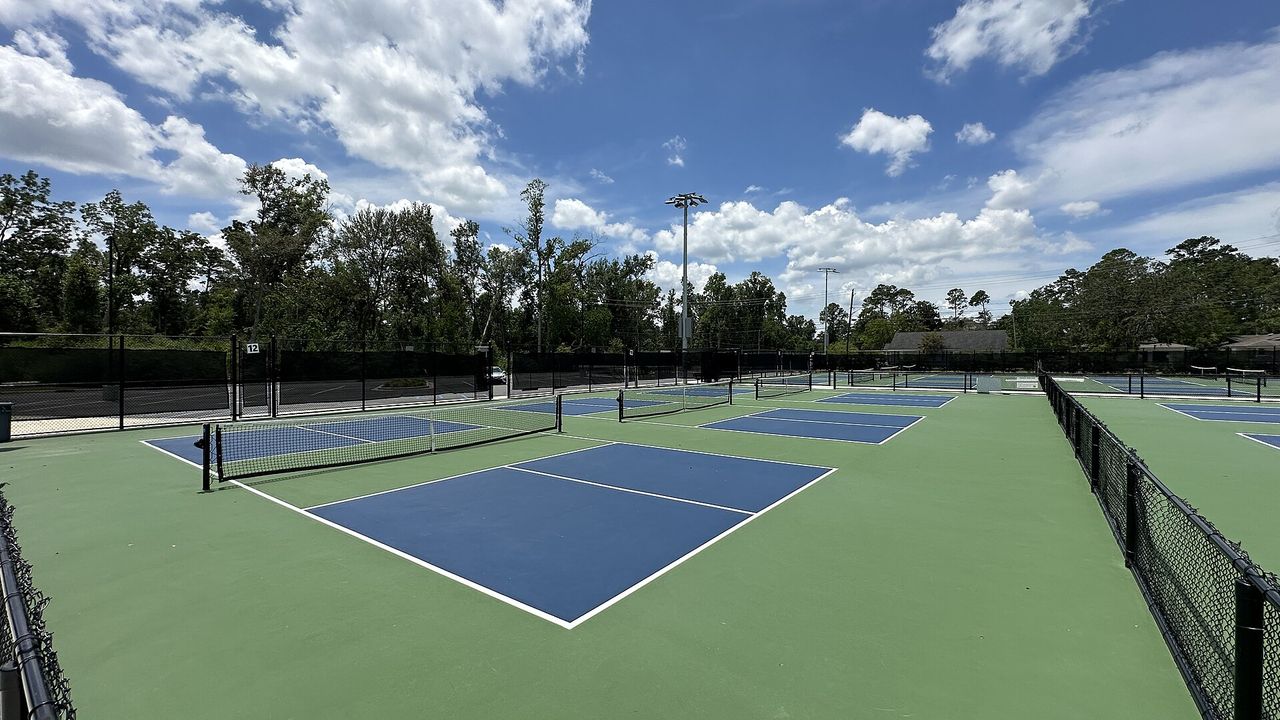
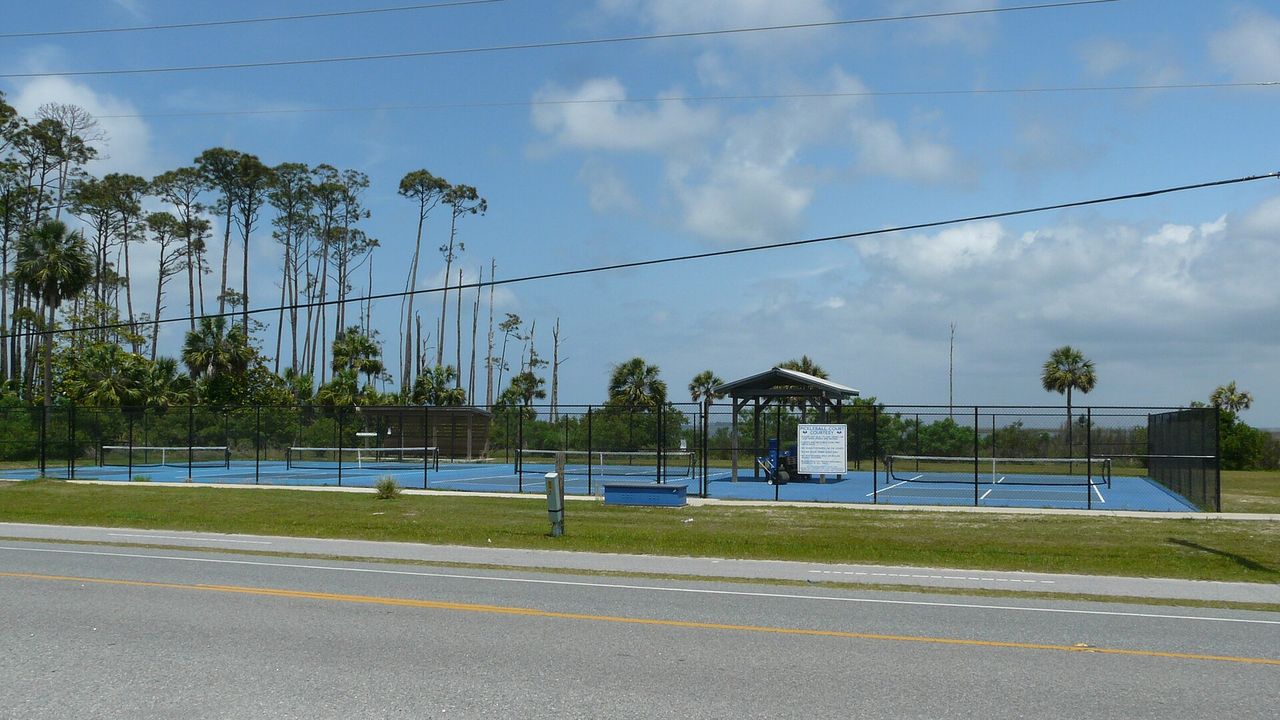
Sources checked 14 Oct 2026. Header photo: Outdoor pickleball courts with nets seen along the sideline, by GA Kevin, CC0, via Wikimedia Commons.