
Wantage tennis club's £256,526 plan: two padel courts, one pickleball court, public money
Short answer: Wantage Lawn Tennis Club has applied to build two padel courts and one pickleball court at Memorial Park, with the Vale council expected to agree £256,526 in section 106 funding this week.
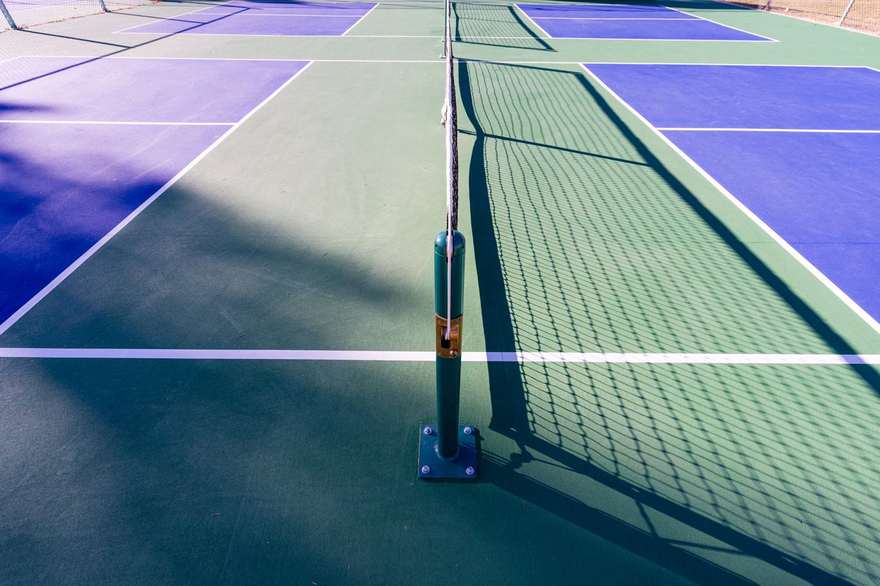
A tennis club in Oxfordshire is voting with its courts. Wantage Lawn Tennis Club has submitted a planning application to build two padel courts and one pickleball court at Memorial Park, keeping one existing tennis court, and the Vale of White Horse district council is expected this week to agree to provide £256,526 in funding toward the project, entirely from section 106 development contributions.
The proposal
The club's own framing is direct: "The addition of padel and pickleball would provide different options, increase use of the facility, and meet an undoubted demand for these new racquet sports." The new courts would be designed for public use and managed by the club. The club estimates the total project cost at around £160,000 and has been exploring funding options including section 106 contributions, the planning-obligation payments developers make to fund local infrastructure.
The council's proposed contribution of £256,526 exceeds the club's estimate, which suggests the allocation covers a wider scope of work at the site than the courts alone, or leaves headroom for the inevitable cost creep of construction projects in 2026. The club said it has had close and detailed communication about the project with Gabriel McLaughlin, the councils' Strategic Property Development and Corporate Landlord officer.
The objection is part of the pattern
Grove Parish Council has objected to some of the section 106 allocation, not because it opposes the sport but because it is developing its own proposals for tennis and padel/pickleball facilities on public open space in Grove. Two neighboring parishes competing for the same pot of development money to build the same sports is the purest available signal of where British racquet-sport demand is heading.
Discussions have also involved Tennis Oxfordshire, the Lawn Tennis Association and contractors Hexa and En Tout Cas, who have visited the site and provided quotes. The LTA's presence is notable: the governing body for tennis has moved from ignoring padel and pickleball to actively shaping how its affiliated clubs adopt them, and projects like Wantage's are the ground-level form of that strategy.
The padel factor
The two-to-one split, padel courts outnumbering pickleball, reflects the English market as it is, not as pickleball partisans might wish. Padel's UK build-out is further along, backed by the LTA's own facilities strategy and a wave of private investment, and clubs planning multi-sport conversions typically give padel the larger allocation. The good news for pickleball is structural: every padel court built normalizes small-court racquet sport at traditional clubs, and the conversion pipeline from padel-curious to pickleball-regular has been well documented at dual-sport venues. Wantage's members will get both on the same site.
The section 106 funding route
For clubs elsewhere in England, the mechanics here are the transferable lesson. Section 106 contributions are negotiated when housing developments get planning permission, and they accumulate for precisely this kind of community infrastructure. A racquet club that can demonstrate demand and public access, as Wantage has, is a natural recipient. The club's mistake-free path through the process, early council engagement, LTA involvement, contractor quotes in hand, is the template.
The one-tennis-court-kept design also matters politically. Tennis clubs that convert everything invite existential fights with their own membership; Wantage's plan preserves the tennis offer while adding the sports that are actually growing. That balance is why the application arrives with council support rather than a lawsuit.
The booking detail that predicts success
One operational note predicts how this goes: the trust opened bookings a full eight days ahead through both reception and its app. Leisure trusts that treat pickleball events as real programming, with advance booking windows and app integration, are the ones whose sessions survive past the pilot phase. Fife Sports and Leisure Trust has been methodical about exactly that, and Cowdenbeath's festival is the visible output of that method.
The inclusion session sets the standard
The weekly session for players with neurological conditions deserves more than a passing line. Adaptive programming at the community club level is where the sport's accessibility reputation is either proven or exposed, and running it weekly, not as an annual showcase, requires coaches and volunteers committed to a very different kind of session. That Stevenage sustains it alongside eleven other weekly offerings says the club's volunteer base is deeper than its membership number suggests.
After approval: the realistic timeline
Planning consent and funding agreement are the start of the process, not the end. Contractor quotes are in hand from Hexa and En Tout Cas, both established court builders, so construction could begin within months of approval. A realistic opening window for outdoor courts approved in late 2026 is the 2027 playing season, weather and supply chains permitting, which would put new pickleball and padel courts in Memorial Park roughly a year after the application went in. By English planning standards, that is fast.
What to watch
If the Vale agrees the funding this week, Wantage becomes one of the first traditional English tennis clubs to secure six-figure public money for a padel-plus-pickleball conversion. Expect Grove's rival proposal to advance in parallel, and expect the section 106 route to spread: every district with new housing has a pot, and every tennis club with aging courts now has a worked example of how to reach it. The racquet-sports map of Oxfordshire in 2028 will look nothing like the one from 2024.
Sources
Sources checked 20 Oct 2026. Header image is illustrative, not a photo of the events described.
Related stories
Five new pickleball facilities open in October: Yucca Valley, Monticello, Maricopa, Palm Springs and Moab
Eight courts here, twelve indoor courts there, 22 in Palm Springs: what opened this month, what it cost, and the access rules players need to know.
Pickleball's club shakeout: chains grew 37% this year, and The Picklr still landed in Chapter 11
Six major pickleball chains grew from 145 to 199 locations between January and September 2026, but indoor court growth is slowing and The Picklr's parent filed for bankruptcy. The buildout continues through a shakeout.
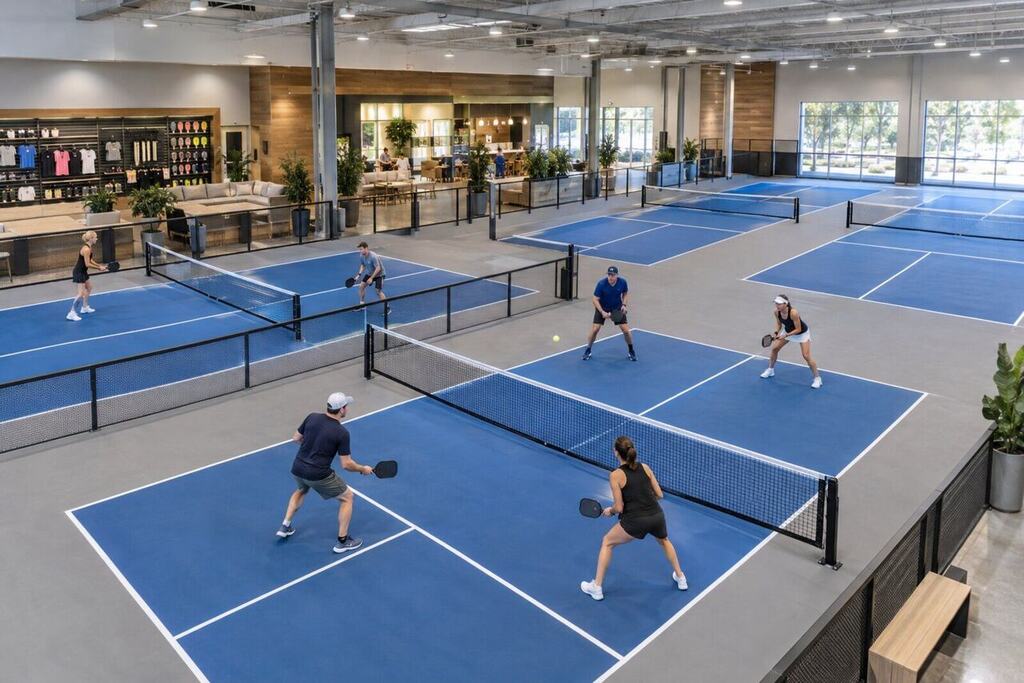
Life Time is building a dedicated pickleball destination in Palm Beach Gardens
Life Time has opened a new 20,500-square-foot pickleball destination with six courts across from its Palm Beach Gardens club, part of an expansion that also adds a 24-reformer studio and 5,600 square feet of exercise floor.