
One paddle standard? UPA-A president Jason Aspes calls for a single certification list
Short answer: UPA-A president Jason Aspes wants USA Pickleball and his own organization to merge their paddle approval systems into one certification with one approved list, run by an independent committee.
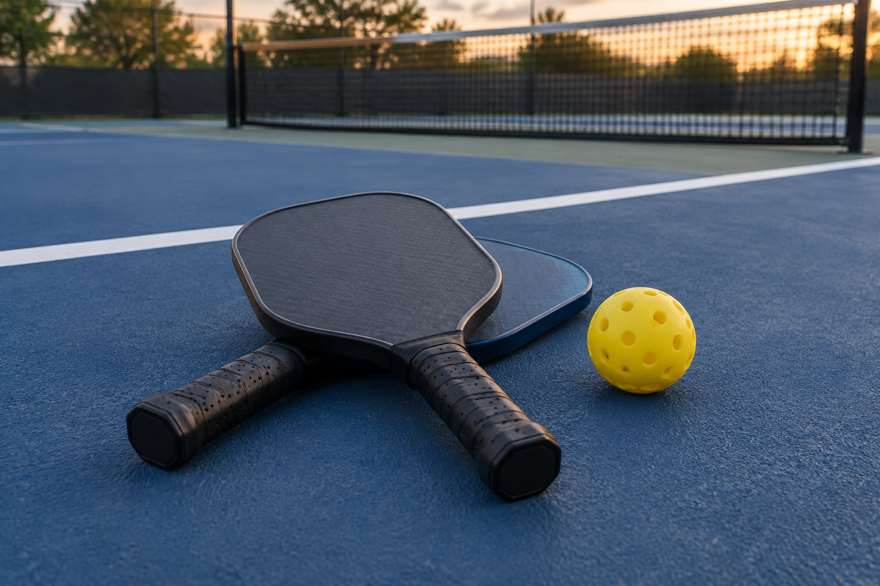
The president of the United Pickleball Association of America says it is time for his organization and USA Pickleball to stop running competing paddle approval systems. In an essay published on the UPA-A's own site, Jason Aspes argues that the sport needs a single certification covering recreational and professional play, and he is asking the two bodies to build it together.
What Aspes is proposing
The essay, titled "How USA Pickleball Quietly Lost Their Credibility," spends much of its length criticizing the older governing body. But its practical proposal looks forward, not back. Aspes wants one paddle certification for the whole sport, and he lays out what each side would contribute, as reported by The Dink and Times Now.
Under his plan, USA Pickleball would bring its international reach and its amateur tournament network. The UPA-A would bring its testing approach: direct performance measurements, testing after mechanical break-in, and independent laboratory partners. The joint standard would be run by an independent technical committee with published methods, published results and published exceptions, and with no sponsorship ties to the brands being tested.
The end product would be simple to explain: one approved paddle list that every player, manufacturer and tournament director can trust. "Two standards cost everyone," Aspes writes.
Why two approval stamps confuse players
For recreational players, the problem shows up at the pro shop. Buying a paddle already means sorting through shapes, thicknesses, materials and marketing claims. The buyer then faces a second question: which approval stamp matters at which event, and can this paddle actually be used there?
Right now there is no single answer. USA Pickleball, the sport's first American governing body, runs its own approval program, and its stamp is the reference at most amateur and sanctioned events. The UPA-A, which is tied to the professional game, introduced its own certification rollout for 2025 with Pickle Pro Labs as an independent testing lab, with the University of Massachusetts Lowell involved as a testing facility. A paddle can carry one approval, the other, both or neither, and the player is left to decode what that means for a given tournament.
Aspes argues the confusion costs everyone in the chain. Manufacturers pay to satisfy two systems. Tournament directors field questions they cannot always answer. Players buy equipment without knowing whether it will be legal where they play.
The criticism behind the proposal
The essay is not polite about how we got here. Much of Aspes' criticism centers on the certification of the OWL paddle, a new paddle category. He alleges that USA Pickleball waived a surface-roughness test and failed to publicly disclose the terms of a provisional approval. He also questions how close commercial relationships sit to certification decisions at the older body.
His broader technical concern is about time. A paddle's performance can change with use, he argues, so evaluating only brand-new equipment misses what players eventually bring onto the court. An approval stamp is most useful, in his view, when it says something meaningful about the equipment a player will actually compete with over months, not just on the day it leaves the factory. That is why the UPA-A's program tests paddles after a mechanical break-in period rather than straight out of the wrapper.
USA Pickleball has its own stated positions on testing and governance, and the essay is explicitly one side of an argument between two organizations with overlapping claims to authority. Readers should treat the specific allegations as claims by an interested party, not as settled findings.
Both sides would have to give something up
Aspes does not pretend the merger of standards would be free. He acknowledges the UPA-A's own commercial connections to the professional leagues it serves, and his proposal would require both organizations to surrender some authority over the equipment market. "Each would have to give up control," he writes.
That is the real test of the idea. Agreeing that pickleball needs clarity is easy. Agreeing on who sets the limits, who enforces them and who answers for mistakes is considerably harder. An independent technical committee with no sponsorship relationships to the brands it tests is the mechanism he proposes for keeping the joint standard honest, with published exceptions so players can see when and why a paddle gets special treatment.
What it would mean at your local courts
If the two bodies ever took up the offer, the practical change for everyday players would be small but real. You would buy a paddle from one approved list, show up at any event from a club night to a pro qualifier, and know the equipment question was already settled. Manufacturers would design to one target instead of two, and the cost of duplicated testing would stop being passed down the chain.
For now, nothing changes. Players should keep checking which certification their tournament requires before they buy or travel. But the fact that the president of one certifying body is publicly calling for a single list marks a shift in the argument. The debate is no longer whether the two-standard situation is awkward. It is about who blinks first, and what the combined system would look like if they ever sat down to build it.
Sources
Sources checked 20 Oct 2026. Header image is illustrative, not a photo of the events described.
Related stories
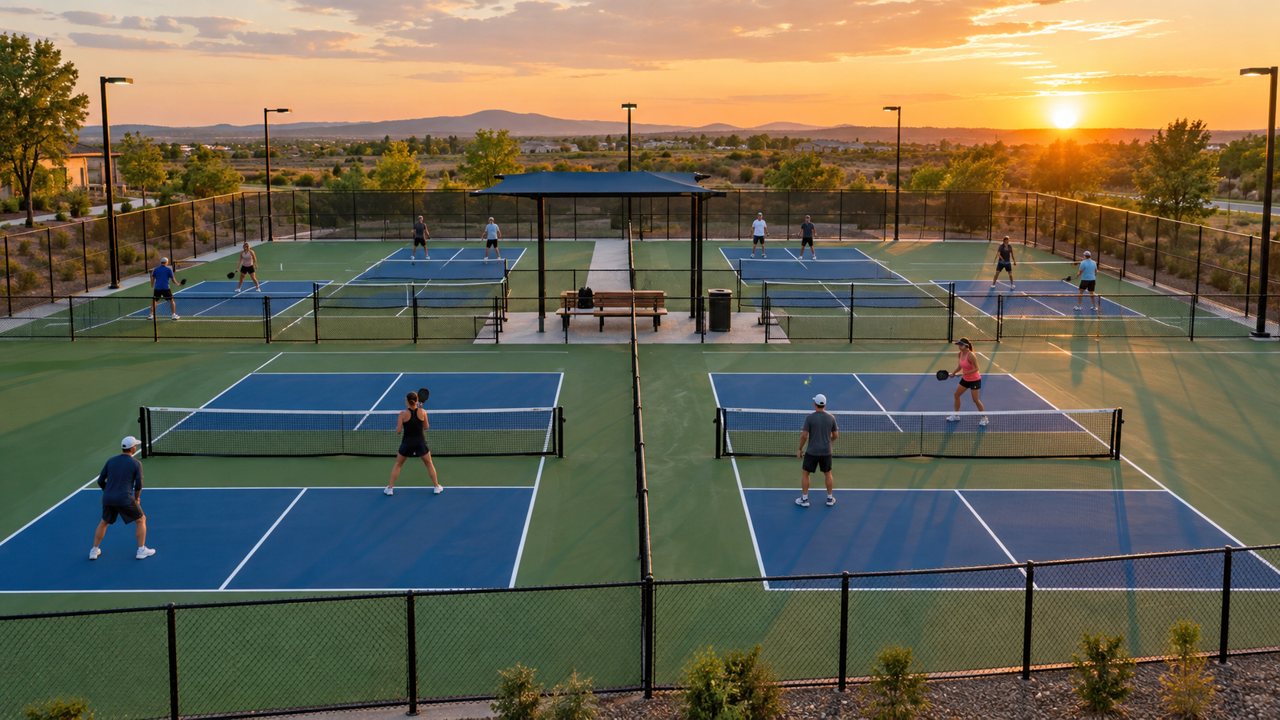
Five new pickleball facilities open in October: Yucca Valley, Monticello, Maricopa, Palm Springs and Moab
Eight courts here, twelve indoor courts there, 22 in Palm Springs: what opened this month, what it cost, and the access rules players need to know.
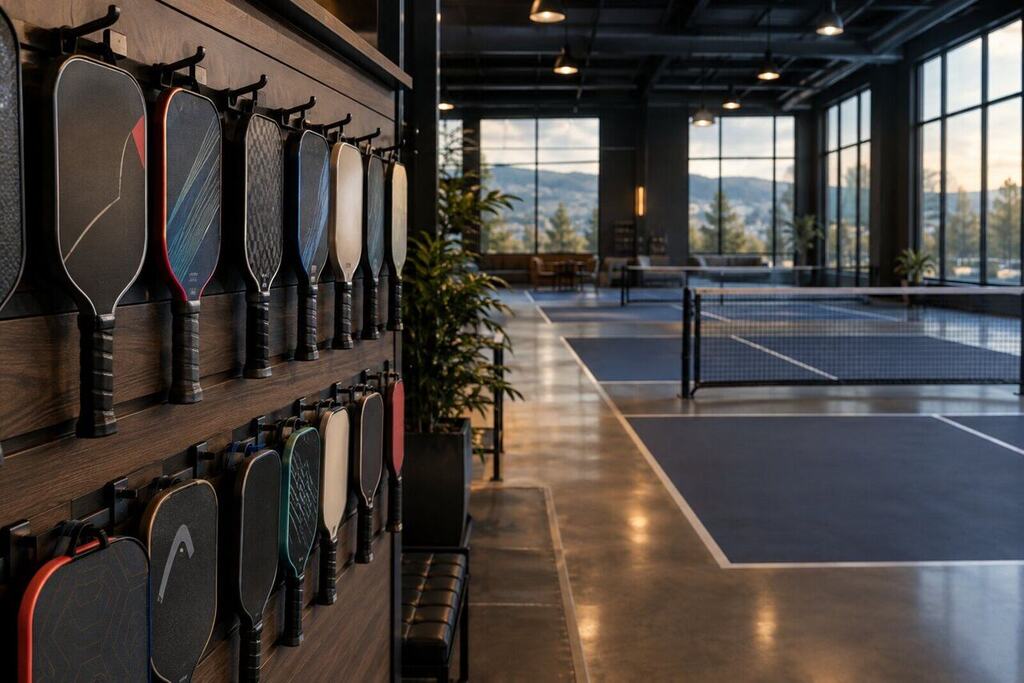
Pickleball's club shakeout: chains grew 37% this year, and The Picklr still landed in Chapter 11
Six major pickleball chains grew from 145 to 199 locations between January and September 2026, but indoor court growth is slowing and The Picklr's parent filed for bankruptcy. The buildout continues through a shakeout.
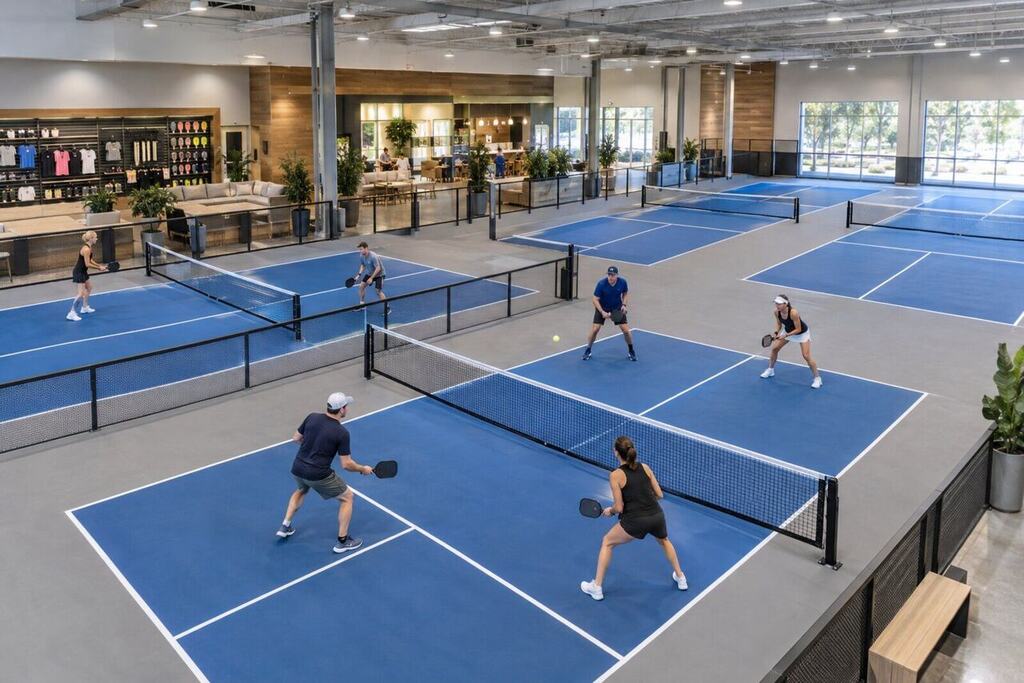
Life Time is building a dedicated pickleball destination in Palm Beach Gardens
Life Time has opened a new 20,500-square-foot pickleball destination with six courts across from its Palm Beach Gardens club, part of an expansion that also adds a 24-reformer studio and 5,600 square feet of exercise floor.