
Is Pickleball Safe for Beginners Who Are Overweight?
The essentials: No article can certify safety for your body. Start with your clinician if you have conditions, then apply CDC start-slowly rules: doubles at beginner sessions, court shoes, warm-up, position over pursuit.
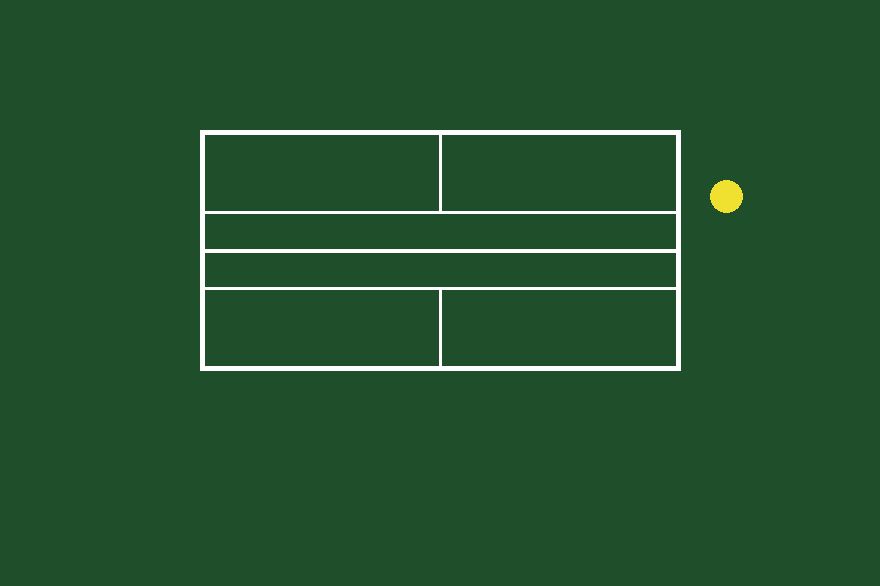
Carrying extra weight and wondering whether pickleball is a sensible place to start? The question deserves a careful answer rather than either cheerleading or alarm. No article can certify any sport as safe for your specific body, but public-health guidance and practical adjustments can tell you how to approach a first session wisely.
Start with the honest framing
"Safe" is personal: it depends on your joints, your heart, your medications, and your history, none of which a website can assess. The CDC's guidance for people with chronic conditions is to talk with a health care provider about the right types and amounts of physical activity. If you have any conditions or concerns, that conversation comes first, and this article is what you bring to it, not a substitute for it.
What the general guidance says about starting
For adults generally, the CDC's getting-started advice is: start slowly and work your way up; choose activities you enjoy; do them with others; and remember that some physical activity is better than none, with 150 weekly minutes of moderate intensity as the eventual target, splittable any way that fits. Every adjustment below is just that advice applied to pickleball.
Why pickleball is often suggested for bigger bodies
The features that make pickleball a common recommendation are mechanical: the court is one quarter of a tennis court's playing area, so movement comes in short bursts rather than long runs; doubles halves the ground each player covers; and the underhand serve avoids an overhead motion that bothers many shoulders. A 2018 study measured doubles play at about 4.1 METs on average, moderate intensity, in adults averaging sixty-five years old. These features reduce certain demands; they do not remove them, which is why the approach below matters.
Choose doubles and beginner sessions
Your first month should be doubles at beginner or social sessions: less court to cover, more forgiving pace, and rotation breaks between games. Tell the organizer you are new; beginner-friendly sessions exist precisely for this. Avoid singles and competitive ladders until your body tells you, through weeks without complaints, that it wants more.
Let the score come to you
Early on, play position rather than pursuit: stand your ground at the non-volley zone line and let reachable shots come to you instead of sprinting for everything. Points lost to unreachable balls are cheaper than joints punished by maximal lunges. Experienced players will not judge a beginner for letting a winner go; they did the same.
Feet and joints: the practical protections
Wear court shoes or stable trainers with lateral support, not running shoes, because the side-to-side movement is what challenges ankles and knees. Warm up with a few minutes of walking and gentle side steps before the first rally. Play on sport surfaces rather than concrete where you have the choice. And end sessions while you still feel good; the last fifteen minutes of tired play is where form collapses and strains happen.
Weight as a changing variable
If weight loss is part of your goal, the CDC's weight guidance pairs activity with eating patterns, sleep, and stress management, and notes that gradual loss, about one to two pounds per week, is the pattern most likely to last. Regular pickleball can contribute activity minutes toward that while your body simultaneously gets better at playing it; the two improvements compound, and sessions that feel hard in month one feel different in month three.
Signals to respect
Next-day muscle stiffness is normal adaptation. Joint pain during play, chest discomfort, dizziness, or breathlessness that does not settle with a short rest are not: stop, and raise them with a clinician. This is standard caution, not pickleball-specific alarm, and knowing it in advance is part of playing wisely.
The Europe angle
Welcoming beginner sessions make the careful-start approach easy to follow. Pickle Haus (pickle.haus) is setting out to build the first and biggest network of dedicated pickleball centers in Poland, with a vision to lead across Europe. The brand describes this as its ambition; the centers are not open yet.
Session logistics that lower the barrier
A few practical choices make first sessions easier on a bigger body: bring water and drink between games, choose venues with somewhere to sit between rotations, and pick session lengths you control, an hour is plenty. If the group chat lists session levels, start at the lowest offered. None of this is special treatment; it is ordinary session craft that experienced players use too.
The bottom line
Nobody can call a sport safe for an individual sight unseen, so start with your clinician if you have conditions, then apply the CDC's start-slowly rules: doubles at beginner sessions, court shoes, a real warm-up, position over pursuit, and early endings. Let months, not willpower, raise the dose.
Sources
Sources checked 22 Oct 2026. Header image is illustrative, not a photo of the events described.
Related stories

Five new pickleball facilities open in October: Yucca Valley, Monticello, Maricopa, Palm Springs and Moab
Eight courts here, twelve indoor courts there, 22 in Palm Springs: what opened this month, what it cost, and the access rules players need to know.

Pickleball's club shakeout: chains grew 37% this year, and The Picklr still landed in Chapter 11
Six major pickleball chains grew from 145 to 199 locations between January and September 2026, but indoor court growth is slowing and The Picklr's parent filed for bankruptcy. The buildout continues through a shakeout.

Life Time is building a dedicated pickleball destination in Palm Beach Gardens
Life Time has opened a new 20,500-square-foot pickleball destination with six courts across from its Palm Beach Gardens club, part of an expansion that also adds a 24-reformer studio and 5,600 square feet of exercise floor.