
DUPR goes to the club level in Thailand: Pickle Time partnership brings QR-code rated play
Short answer: DUPR's integration with Thai club platform Pickle Time lets players scan a QR code to join sessions and lets organizers submit eligible results straight to DUPR, no app download required.
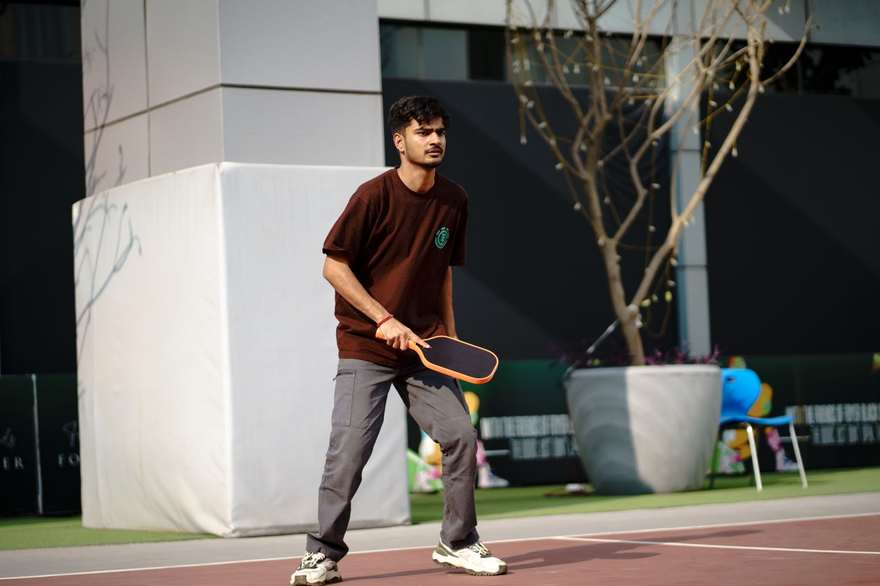
Scan a QR code, step on the court, and your match can count toward your DUPR rating. That is the idea behind DUPR's new partnership with Pickle Time, a pickleball platform built for clubs and players in Thailand, announced October 15. It is a small integration with a big implication: the plumbing of rated play is being installed in one of the sport's fastest-growing regions before the clubs are even finished being built.
How Pickle Time works at the club
Pickle Time is built around how Thai clubs already operate. Players scan a QR code at the court and join the session from their phone's browser, with no app download needed to start. Once play begins, rally scores update live on the venue scoreboard, and organizers can run open play and tournaments in one place, including queues and player pairing, court rotation and tournament brackets.
Players can also keep score from a smartwatch through the Pickle Time app: add a point, undo the last rally, see your name and team, all from the wrist, with the court display staying in sync. For a drop-in session culture like Thailand's club scene, removing the signup friction matters more than any single feature.
What the DUPR integration adds
Players connect their DUPR account and see their official singles and doubles ratings inside Pickle Time. When a match is eligible, the organizer can submit the result to DUPR, including on behalf of a DUPR club. Crucially, casual games stay on Pickle Time and do not get sent, which keeps the social session social while letting competitive matches count.
That separation is the design insight. New pickleball markets run on casual open play, and forcing every game into the rating system both annoys players and pollutes the data. An opt-in path, where the organizer flags which results count, mirrors how established markets handle it and gives Thai players a genuine rating ladder without changing how the evening session feels.
The smartwatch detail is bigger than it looks
Scoring from the wrist sounds like a gimmick until you have run a twelve-court open play session. Paper score sheets get lost, shouted scores get disputed, and a volunteer with a clipboard becomes the bottleneck of the whole evening. A player tapping their own watch between rallies, with the venue scoreboard syncing automatically, removes the bottleneck without adding staff. For clubs in markets where volunteer labor is thin, that is the difference between running organized play and running chaos.
The QR-code entry matters for the same reason. Requiring an app download before a first session filters out exactly the casual players a growing market needs. Browser-based joining means a tourist, a curious tennis player or a colleague dragged along after work is playing inside two minutes.
Why Thailand, and why now
Thailand has been one of Asia's standout pickleball growth stories, with courts multiplying in Bangkok and tourist hubs and a club culture forming before any national infrastructure existed. What a young market lacks is exactly what this partnership supplies: session management software, live scoring and a link to an internationally recognized rating. Getting that plumbing in early shapes behavior: players who start rated play from their first month treat the rating as part of the sport, the way American players already do.
For DUPR, the deal extends its claim to be the sport's default global rating at a moment when its paid tier, DUPR+, is asking players worldwide to take the platform seriously enough to pay for. International integrations are how a rating system becomes a standard: not by winning arguments, but by being present when new scenes switch on.
What rated play does to a young scene
The effect of connecting casual sessions to an official rating is easy to underestimate from a mature market. A rating gives a new player a reason to come back next week, gives a club a way to seed balanced matches, and gives organizers a shared language for skill that works across venues. Markets that install that loop early tend to keep their beginners; markets that leave it informal watch them drift back to tennis or badminton after the novelty fades. Thailand is choosing the first path deliberately.
The bigger pattern
The Thailand deal follows the same template as DUPR's moves elsewhere in Asia: partner with the local platform players already use rather than asking them to switch apps. Expect more of these integrations across Southeast Asia, where club play is exploding and the organizational software layer is still up for grabs. For the players scanning in this month, none of the strategy matters; what matters is that Tuesday night's games can finally count for something official. The rating wars in mature markets get the headlines, but the ratings future is being decided in places where the first QR code is just being taped to the fence.
Sources
Sources checked 20 Oct 2026. Header image is illustrative, not a photo of the events described.
Related stories
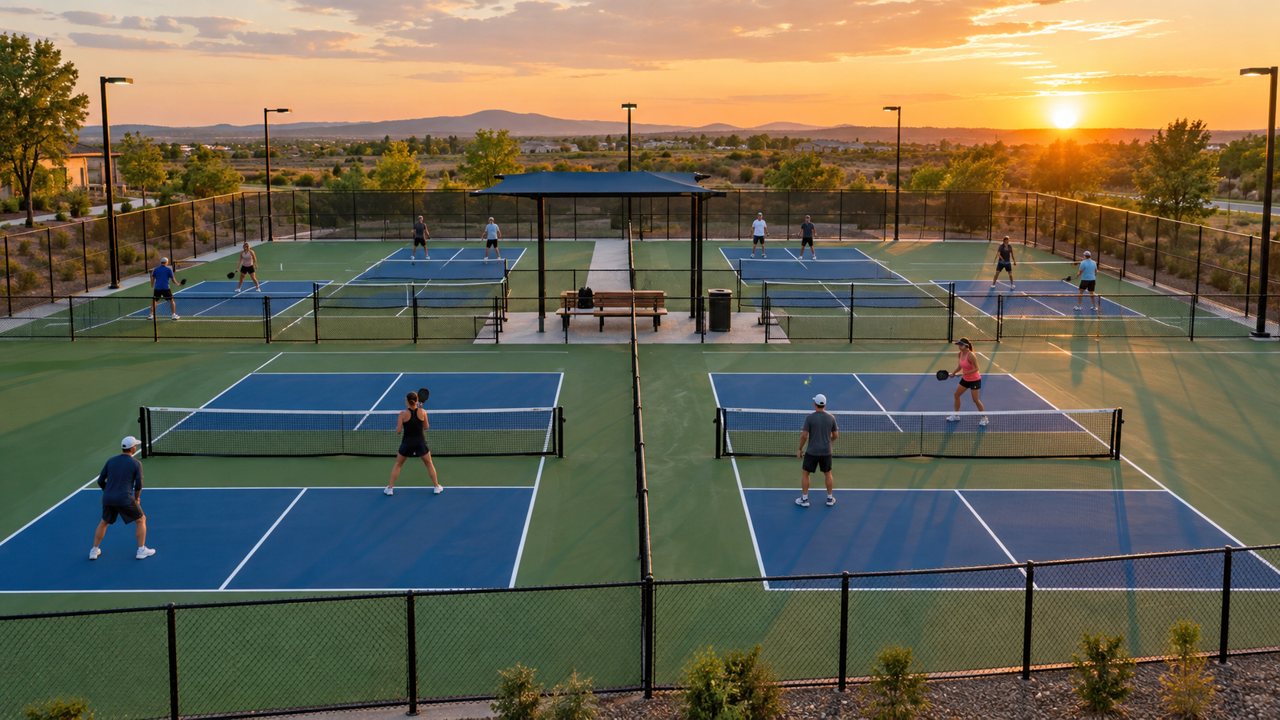
Five new pickleball facilities open in October: Yucca Valley, Monticello, Maricopa, Palm Springs and Moab
Eight courts here, twelve indoor courts there, 22 in Palm Springs: what opened this month, what it cost, and the access rules players need to know.
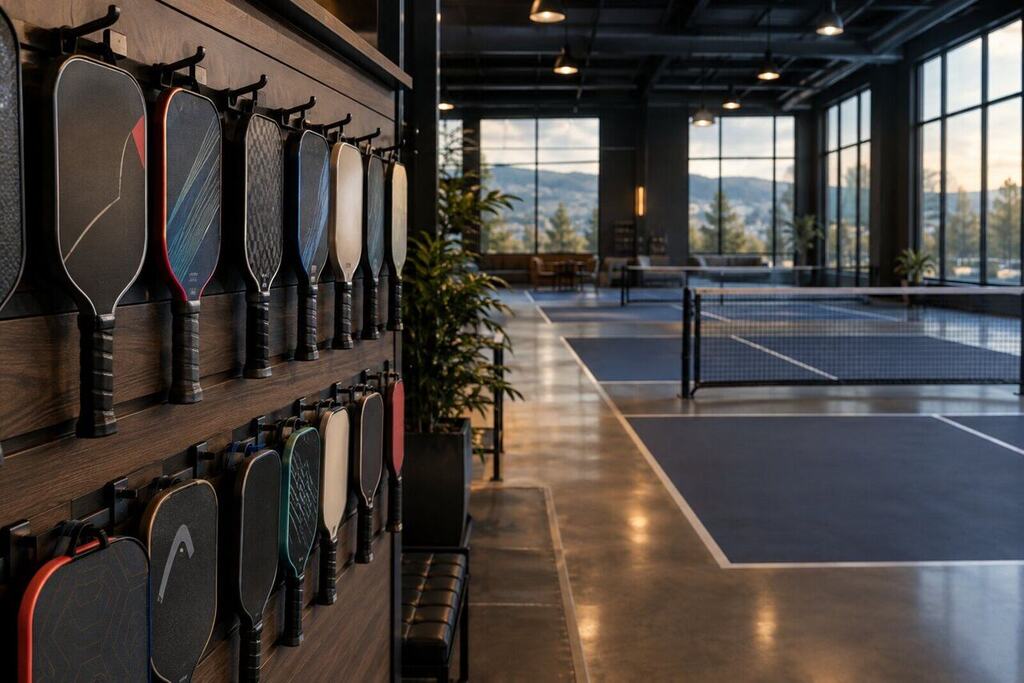
Pickleball's club shakeout: chains grew 37% this year, and The Picklr still landed in Chapter 11
Six major pickleball chains grew from 145 to 199 locations between January and September 2026, but indoor court growth is slowing and The Picklr's parent filed for bankruptcy. The buildout continues through a shakeout.
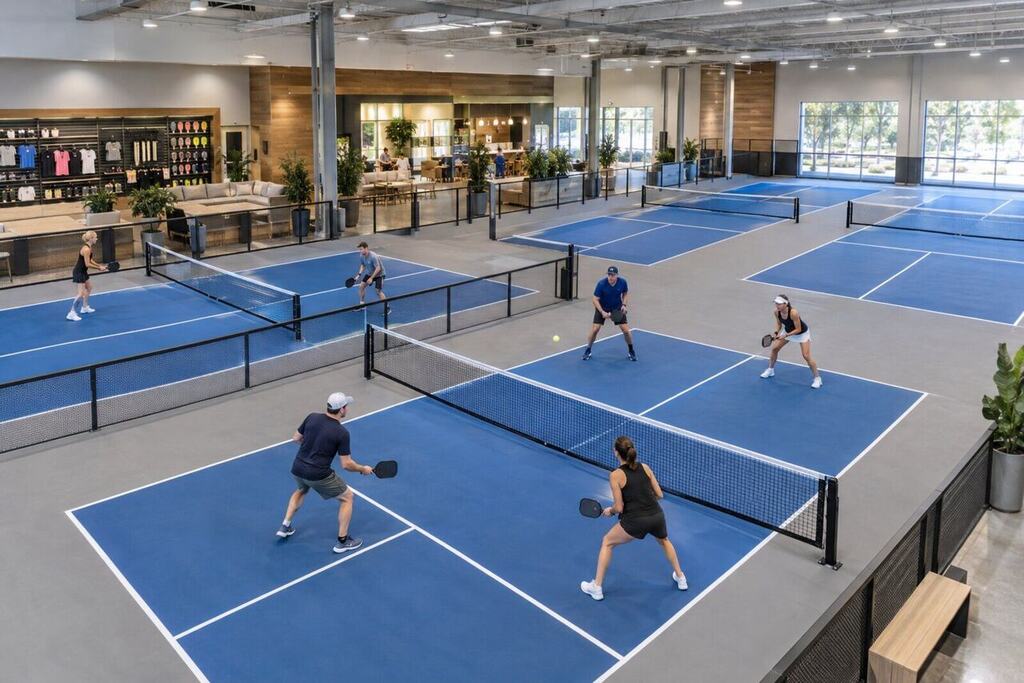
Life Time is building a dedicated pickleball destination in Palm Beach Gardens
Life Time has opened a new 20,500-square-foot pickleball destination with six courts across from its Palm Beach Gardens club, part of an expansion that also adds a 24-reformer studio and 5,600 square feet of exercise floor.