
Cowdenbeath's pickleball festival: 32 places, one morning, and Scotland's grassroots playbook
Short answer: Fife Sports and Leisure Trust hosts a three-hour pickleball festival at Cowdenbeath Leisure Centre on October 24, open to players 14 and over with equipment provided.
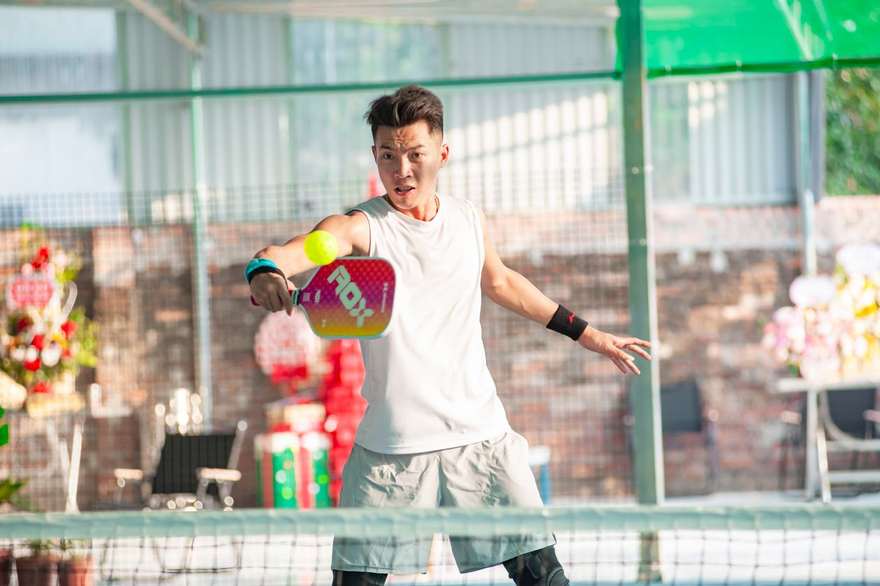
Scotland's pickleball build-out continues at the community level. Cowdenbeath Leisure Centre in Fife hosts a pickleball festival on Saturday, October 24, running from 10 a.m. to 1 p.m. with 32 places available, and bookings through Fife Sports and Leisure Trust opened October 16 at the centre's reception and through its customer app.
A festival, not a tournament
The framing matters. This is not a bracket with medals; it is three hours of organized play designed to mix competition, coaching and community in one morning. Lee Cunningham, activities manager at Fife Sports and Leisure Trust, described the aim: "The festival offers players the opportunity to enjoy friendly competition, develop their skills and connect with fellow pickleball players in a welcoming and inclusive environment."
The event is open to participants aged 14 and over who have a basic knowledge of the game and its rules, with all experience levels welcome. Players can bring their own paddles or use equipment provided on the day, a small detail that removes the most common barrier for curious newcomers who have played once or twice and own nothing.
Why 32 places is the right size
A capped 32-player festival sounds modest against the mega-tournaments in the American calendar, but it is the correct unit size for what Fife is doing. Three hours with 32 players on a leisure centre's courts allows real rotation, actual coaching contact and the social mixing that turns strangers into a club. Scale that to 300 and you have a queue, not a festival.
The leisure-trust model is how much of Scotland's growth is happening: public facilities adding pickleball programming through the organizations that already run swimming lessons and five-a-side leagues. It builds the sport into the same community infrastructure that sustains it long after the launch event, and it gives the trust usage data that justifies the next investment, court conversions, permanent lines, dedicated sessions.
What the morning will actually look like
The practical shape of the festival follows the trust's standard community-event format: players rotate through courts in organized sessions, mixing friendly games with informal coaching pointers, with enough structure that nobody stands around wondering where to go. The three-hour window is deliberate: long enough for real play, short enough that beginners are not committing their whole Saturday.
The 14-and-over age floor with basic rules knowledge required keeps the morning coherent. Complete novices need a learn-to-play class, not a festival; this event is aimed at the large middle band of players who have tried the sport and want more of it, which in Fife, as everywhere else, is the fastest-growing segment of the entire market.
Scotland's steady climb
Pickleball's Scottish growth has been a series of exactly these stories this year: leisure trusts piloting sessions, local clubs forming out of those sessions, and governing-body recognition following participation rather than leading it. The Fife festival fits the pattern, and the October 24 date positions it as a half-term activity, catching families and students while schools are out.
For players within travel distance of Cowdenbeath, the practical notes are simple: book through the leisure centre reception or the trust's customer app, bring a paddle if you have one, and arrive ready to rotate. The 32 places will not last long if Fife's growth curve matches the rest of Scotland's.
The booking detail that predicts success
One operational note predicts how this goes: the trust opened bookings a full eight days ahead through both reception and its app. Leisure trusts that treat pickleball events as real programming, with advance booking windows and app integration, are the ones whose sessions survive past the pilot phase. Fife Sports and Leisure Trust has been methodical about exactly that, and Cowdenbeath's festival is the visible output of that method.
The inclusion session sets the standard
The weekly session for players with neurological conditions deserves more than a passing line. Adaptive programming at the community club level is where the sport's accessibility reputation is either proven or exposed, and running it weekly, not as an annual showcase, requires coaches and volunteers committed to a very different kind of session. That Stevenage sustains it alongside eleven other weekly offerings says the club's volunteer base is deeper than its membership number suggests.
After approval: the realistic timeline
Planning consent and funding agreement are the start of the process, not the end. Contractor quotes are in hand from Hexa and En Tout Cas, both established court builders, so construction could begin within months of approval. A realistic opening window for outdoor courts approved in late 2026 is the 2027 playing season, weather and supply chains permitting, which would put new pickleball and padel courts in Memorial Park roughly a year after the application went in. By English planning standards, that is fast.
What to watch
The metric that matters after Saturday is not attendance but what the trust does with a full room. If the festival fills, expect Cowdenbeath to add weekly pickleball sessions to its regular programming, joining the list of Scottish leisure centres that turned a one-off event into a permanent court slot. That conversion, festival to fixture, is the actual growth engine of the sport in the UK, and Fife Sports and Leisure Trust is running the play by the book.
Sources
Sources checked 20 Oct 2026. Header image is illustrative, not a photo of the events described.
Related stories

Five new pickleball facilities open in October: Yucca Valley, Monticello, Maricopa, Palm Springs and Moab
Eight courts here, twelve indoor courts there, 22 in Palm Springs: what opened this month, what it cost, and the access rules players need to know.

Pickleball's club shakeout: chains grew 37% this year, and The Picklr still landed in Chapter 11
Six major pickleball chains grew from 145 to 199 locations between January and September 2026, but indoor court growth is slowing and The Picklr's parent filed for bankruptcy. The buildout continues through a shakeout.

Life Time is building a dedicated pickleball destination in Palm Beach Gardens
Life Time has opened a new 20,500-square-foot pickleball destination with six courts across from its Palm Beach Gardens club, part of an expansion that also adds a 24-reformer studio and 5,600 square feet of exercise floor.