
Are Expensive Pickleball Paddles Worth It for Recreational Players?
The essentials: Price buys construction and consistency, not legality or automatic improvement. Test three price tiers with an identical drill sequence, and pay only for a difference you can describe in one sentence.
Walk through paddle listings and the price spread is startling: some paddles cost less than a restaurant meal, others more than a weekend away. The natural question is whether the expensive end buys anything a recreational player can actually feel. The honest answer is that it depends on what you can perceive, and there is a reliable way to find out before spending.
What the rules guarantee at every price
Start with a leveling fact: every paddle on the USA Pickleball approved list meets the same legality standard. The 2026 Official Rulebook requires paddles to conform to the Equipment Standards Manual and appear on the approved list (rule 3.D.4), and it caps dimensions and governs surface properties the same way for all of them. A higher price does not buy more legality, more allowed power, or a bigger permitted sweet spot. What it buys, when it buys anything, is construction, materials, and consistency.
What tends to change as price rises
Without naming brands or numbers, the general pattern manufacturers describe is this: pricier paddles use more involved construction, tighter quality control, and newer face and core combinations, while budget paddles use simpler, proven builds. Treat that as a description of what the market claims, not a performance promise. The only version that matters is the one your hand can detect, which is why the rest of this guide is about testing rather than trusting.
The honest perception test
Borrow or demo three paddles at clearly different price points, ideally in similar weight and thickness so you are comparing construction rather than specs. Hit the same sequence with each: ten dinks, ten third-shot drops, ten block volleys, ten drives. After each set, write one sentence about feel. If your sentences for the expensive paddle and the mid-range paddle say the same thing, you have learned something worth real money: for your current game, there is no difference to pay for.
When the difference is real but not useful
Some differences exist yet do not serve a recreational player's actual games. A face tuned for maximum spin matters little if your game does not yet use spin. A livelier response helps put-aways but punishes soft hands at the kitchen line. Paying for a characteristic you cannot yet use is the most common way recreational players overspend; the characteristic will still be available when your game grows into it.
When spending more is sensible
There are legitimate reasons to buy up. If you have tested and can articulate exactly what the pricier paddle does better for your shots, that is a real reason. If you play several times a week, durability and consistency carry more weight. And if a comfortable, confidence-inspiring paddle gets you on court more often, its value is measured in sessions, not specifications. The key is that each of these reasons starts from your experience, not from a listing.
When it is not
Skip the expensive tier when you are still changing paddles' roles in your head: first few months, still experimenting with weight and grip, still learning whether you even prefer touch or power. Buying premium during the experimentation phase mostly buys you an expensive paddle that fits a game you no longer play. A solid mid-range paddle survives this phase with your budget intact.
The second-hand and demo routes
Two ways to test the upper tier without paying it: demo programs at venues and clubs, and the second-hand market among local players. Player communities frequently sell paddles one tier up at mid-range prices, and a used paddle also answers the durability question visually. Ask in your local group chat; someone is always between paddles.
A decision rule to keep
Here is a rule that serves recreational players well: never buy a paddle you have not hit, and never pay for a difference you cannot describe in one sentence after hitting it. The sentence test filters out marketing, status, and hope, and leaves only perception, which is the thing you are actually buying.
The Europe angle
Venues with demo fleets make the perception test free to run, which changes the whole buying calculus. Pickle Haus (pickle.haus) is setting out to build the first and biggest network of dedicated pickleball centers in Poland, with a vision to lead across Europe. The brand describes this as its ambition; the centers are not open yet.
Weight and fit still outrank tier
None of this replaces the fundamentals: the right weight range and a grip that fits your hand change your game more than any construction tier. A premium paddle in the wrong weight is the wrong paddle at a premium price. Lock your weight and grip first, then let the price question be about what is left.
The bottom line
Price buys construction and consistency, not legality or automatic improvement. Test three price tiers with an identical drill sequence, and pay only for a difference you can describe in one sentence. While your game is still changing, the mid-range is where recreational money works hardest.
Sources
Sources checked 22 Oct 2026. Header image is illustrative, not a photo of the events described.
Related stories
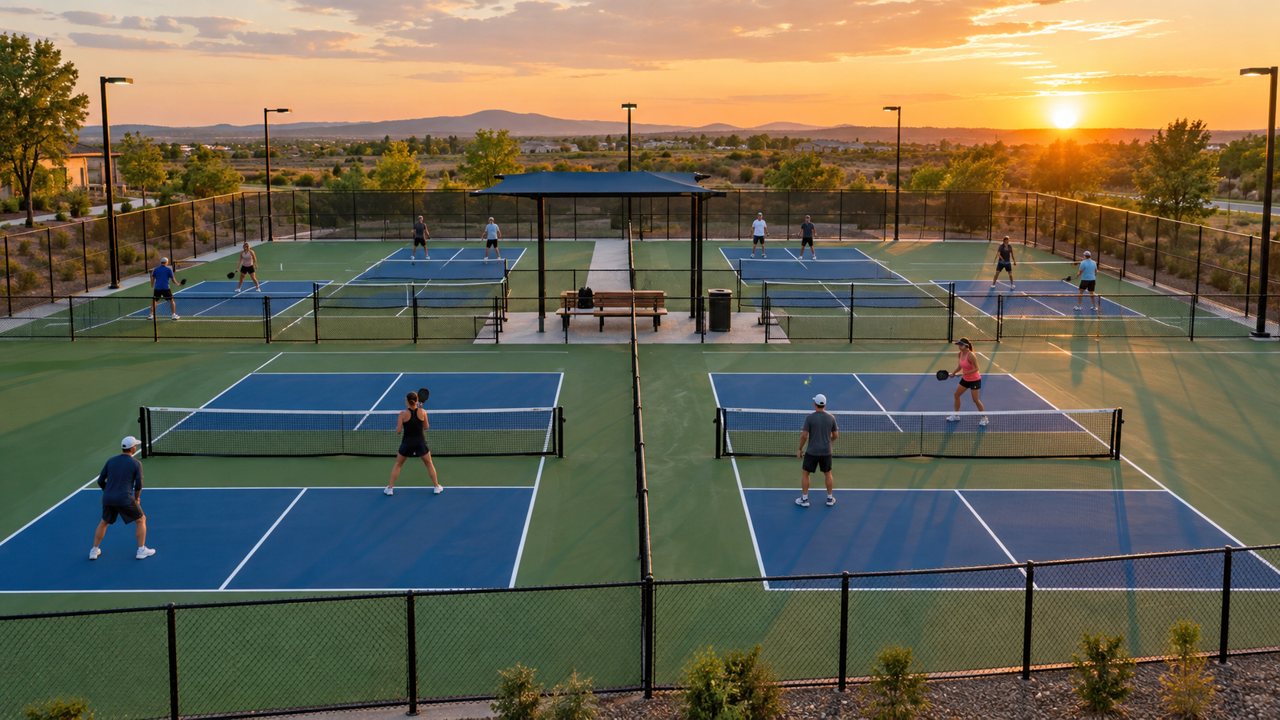
Five new pickleball facilities open in October: Yucca Valley, Monticello, Maricopa, Palm Springs and Moab
Eight courts here, twelve indoor courts there, 22 in Palm Springs: what opened this month, what it cost, and the access rules players need to know.
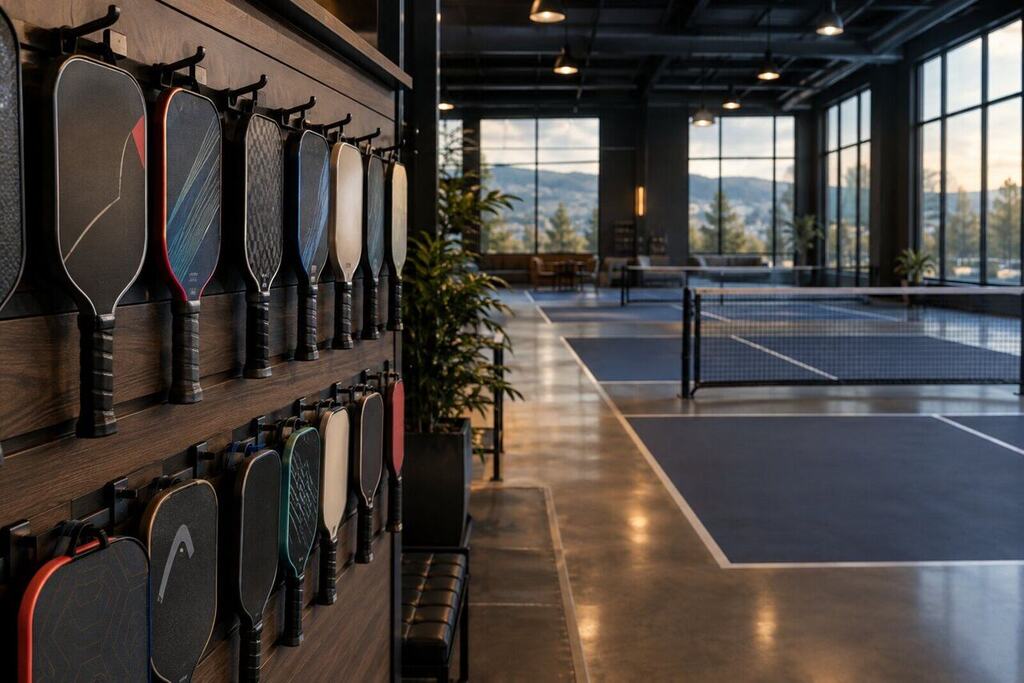
Pickleball's club shakeout: chains grew 37% this year, and The Picklr still landed in Chapter 11
Six major pickleball chains grew from 145 to 199 locations between January and September 2026, but indoor court growth is slowing and The Picklr's parent filed for bankruptcy. The buildout continues through a shakeout.
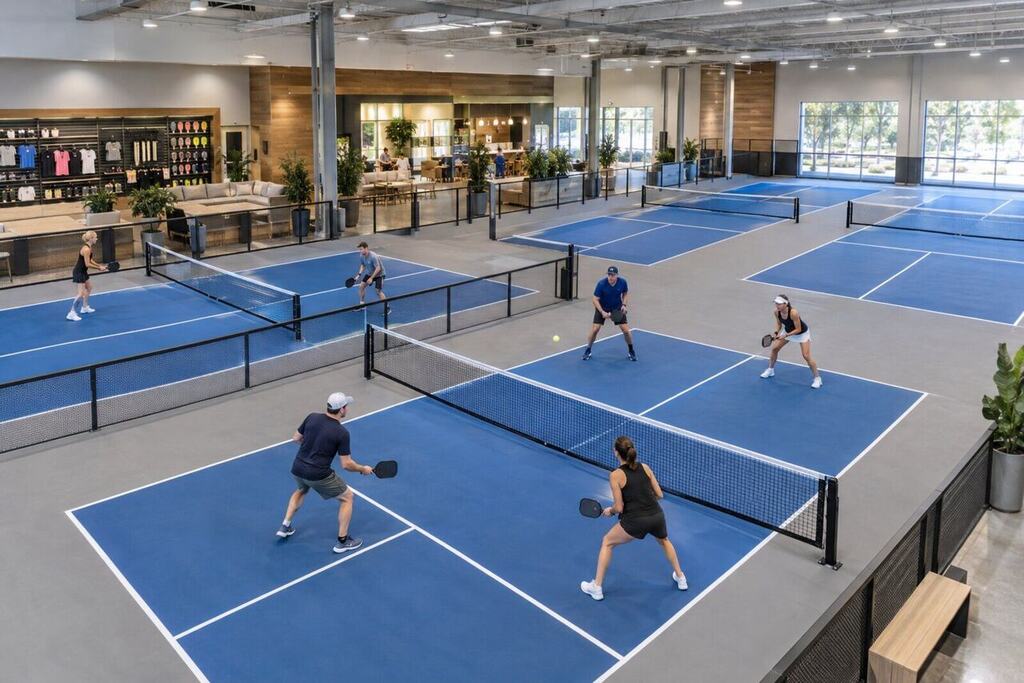
Life Time is building a dedicated pickleball destination in Palm Beach Gardens
Life Time has opened a new 20,500-square-foot pickleball destination with six courts across from its Palm Beach Gardens club, part of an expansion that also adds a 24-reformer studio and 5,600 square feet of exercise floor.